«Le temps de l'atelier n'est never perdu: il devient forme, matière et présence.»
There are places where time behaves differently. In the atelier In Malne, each day begins with a rhythm that belongs to the craft: the sound of a fabric being unfurled, the gesture of a hand correcting a line.
Talking about What is an atelier? It requires looking at the work from within. A studio is a space for creation, listening, and precision. In Malne, That word retains its most demanding meaning: a place where designers, the workshop team, and the client participate in a process that requires attention, discernment, and real time. The garment is born from an idea, passes through the body, is transformed into a pattern, is tried on, adjusted, and finds its final form when everything breathes naturally.
A time that begins before the fabric
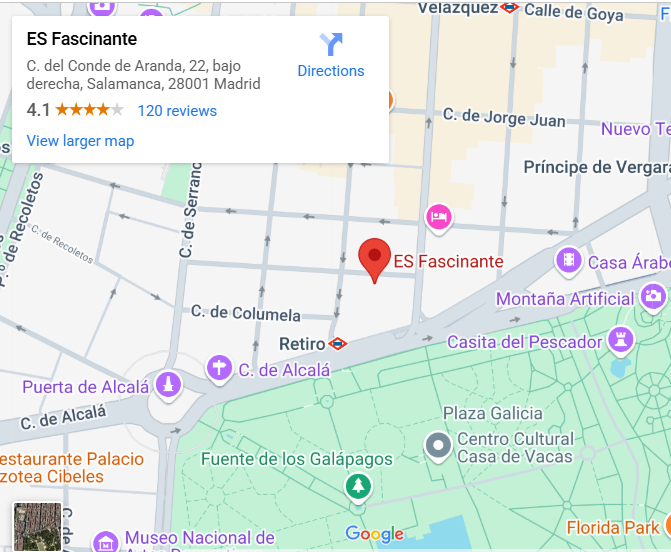
In our atelier in Madrid, Located on Velázquez Street, the pace is organized around private appointments. This decision defines a way of understanding luxury. The client arrives at an apartment in the Salamanca district, away from the immediate frenzy of impulse buying, and enters a space where the garment can be considered with serenity.
The first conversation is crucial. We observe how a woman speaks, how she moves, what proportions she wants to emphasize, what kind of presence she seeks. In high fashion, the design often begins before the sketch.
That first moment allows us to order the process:
- Hear the client's intention without turning it into a list of instructions.
- Prove volumes, fabrics and lines to understand their relationship with the body.
- Draw an aesthetic direction consistent with the woman who will wear the garment.
- Translate that idea in pattern, proportion, structure and finish.
- Adjust during testing until the piece acquires its own presence.
In Malne, luxury begins there: in the ability to dedicate time to a specific person.
The chronometry of the hand
That time frame naturally limits production. Malne collection Production is kept on a very precise scale, with a small number of finished garments and limited runs per design. The quantity depends on the workshop's pace, the quality of the finish, and the skilled hands involved.
Here, time is visible. It's in a shoulder that falls perfectly, in a sleeve that allows for elegant movement, in an inner seam that no one will photograph and that will hold the garment together for years. It's also in the mistakes that are avoided, in the fittings that refine a silhouette, and in the calm required to know when a piece is complete.
The pattern as thought
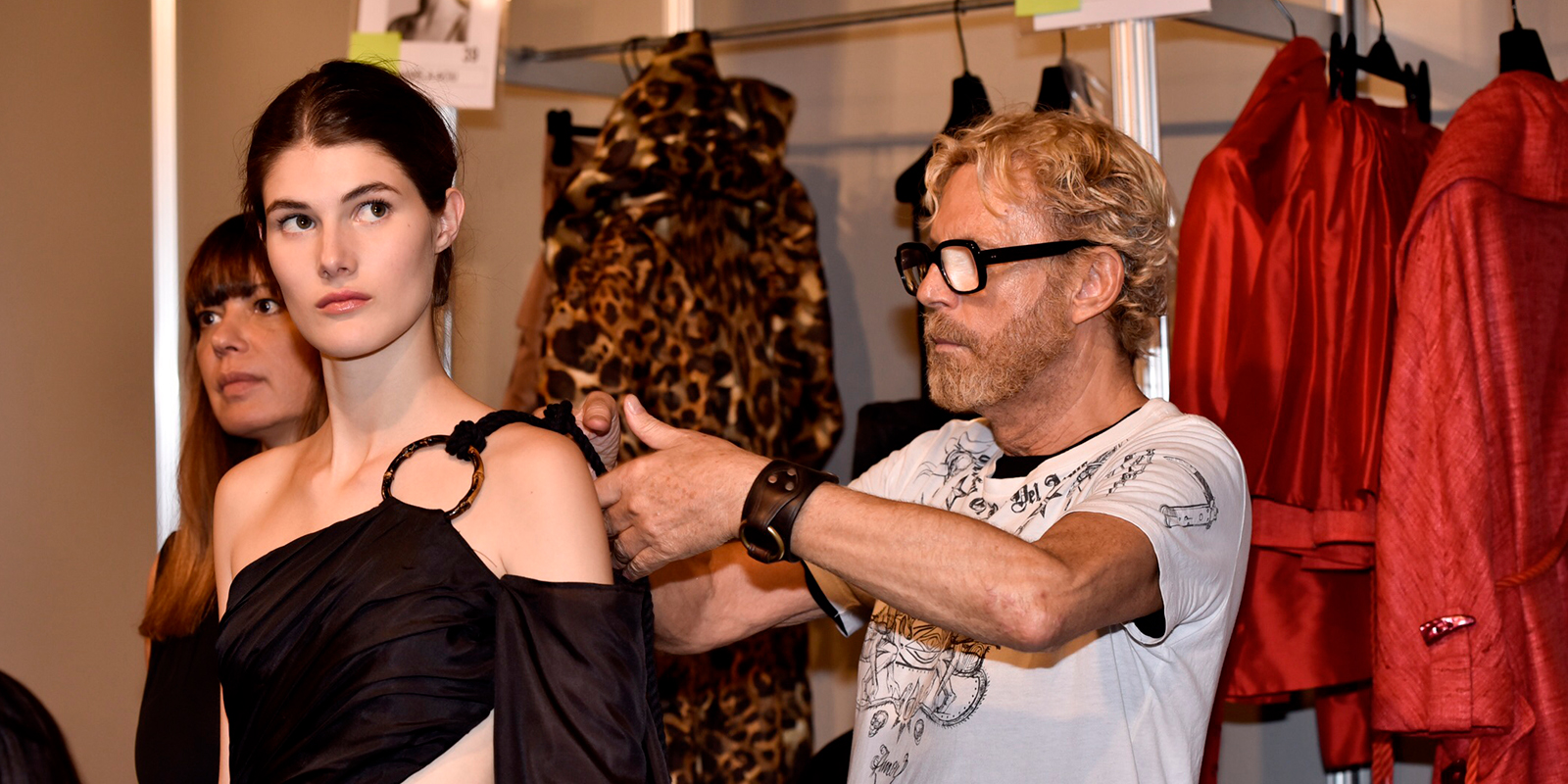
The heart of the process lies in the pattern making. At Malne we work with a very physical relationship with the garment.Freehand sketches, test toile, fabric on a mannequin, corrections on the body. The machine can speed up some of the work, although the intelligence of the pattern still depends on the eye, the hand, and experience.
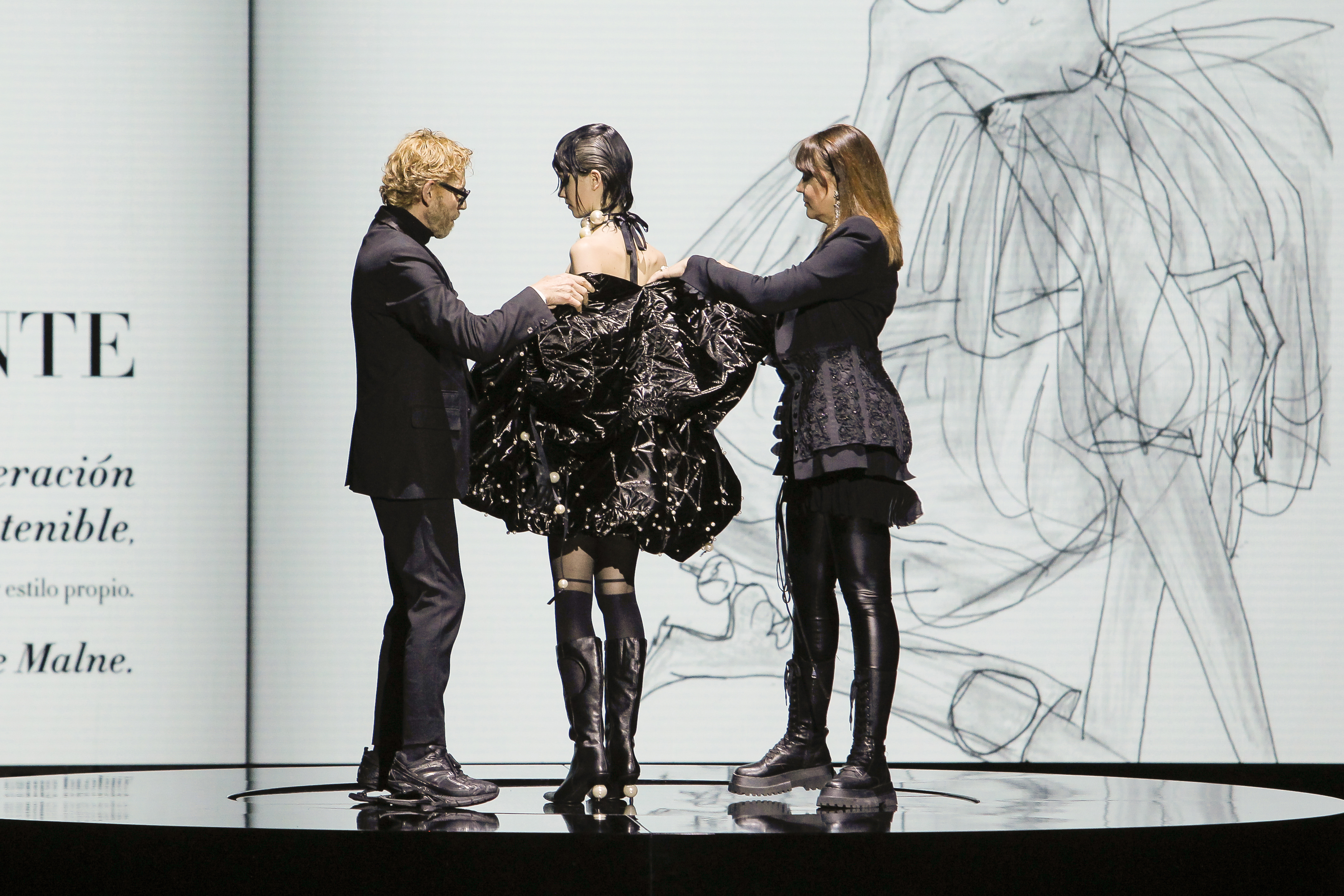
Paloma Álvarez and Juanjo Mánez guide this vision with two complementary energies: strategic clarity, an intuitive drawing style, and a deep understanding of women and the setting. Alongside them, Manuel, the workshop manager, transforms an idea into a tangible form. This translation demands a refined technique, because a designer garment is also recognized by its internal structure.
During the fitting, The dress begins to respond. The client walks, looks at herself, sits down, raises her arm, turns her torso. Each movement reveals something. The fitting allows for correcting a dart, softening a line, shifting a seam, altering a length, or deciding that a fabric needs a different drape. The dress evolves with each adjustment, until it achieves a visible harmony.
The workshop as a form of quiet resistance
We work with an organization that respects the lives of its team and the dignity of the craft. Craftsmanship requires concentration, light, rest, and consistency. A tired hand loses sensitivity; a hasty decision diminishes the result.
That's why Malne's rhythm has a certain quiet resistance. The garment is made locally, by national artisans., Without unnecessary surpluses and with a direct relationship between design, pattern making, and sewing. This way of producing allows us to preserve something essential: responsibility for each piece.
Contemporary luxury needs that awareness.. A client who comes to Malne is usually familiar with the big brands, has worn international labels, and perfectly distinguishes a label from an experience. She seeks a garment with an author's name, with presence, with a story that begins in a conversation and ends in a piece that no one will wear in the same way.
From the calm of the workshop to the intensity of the catwalk
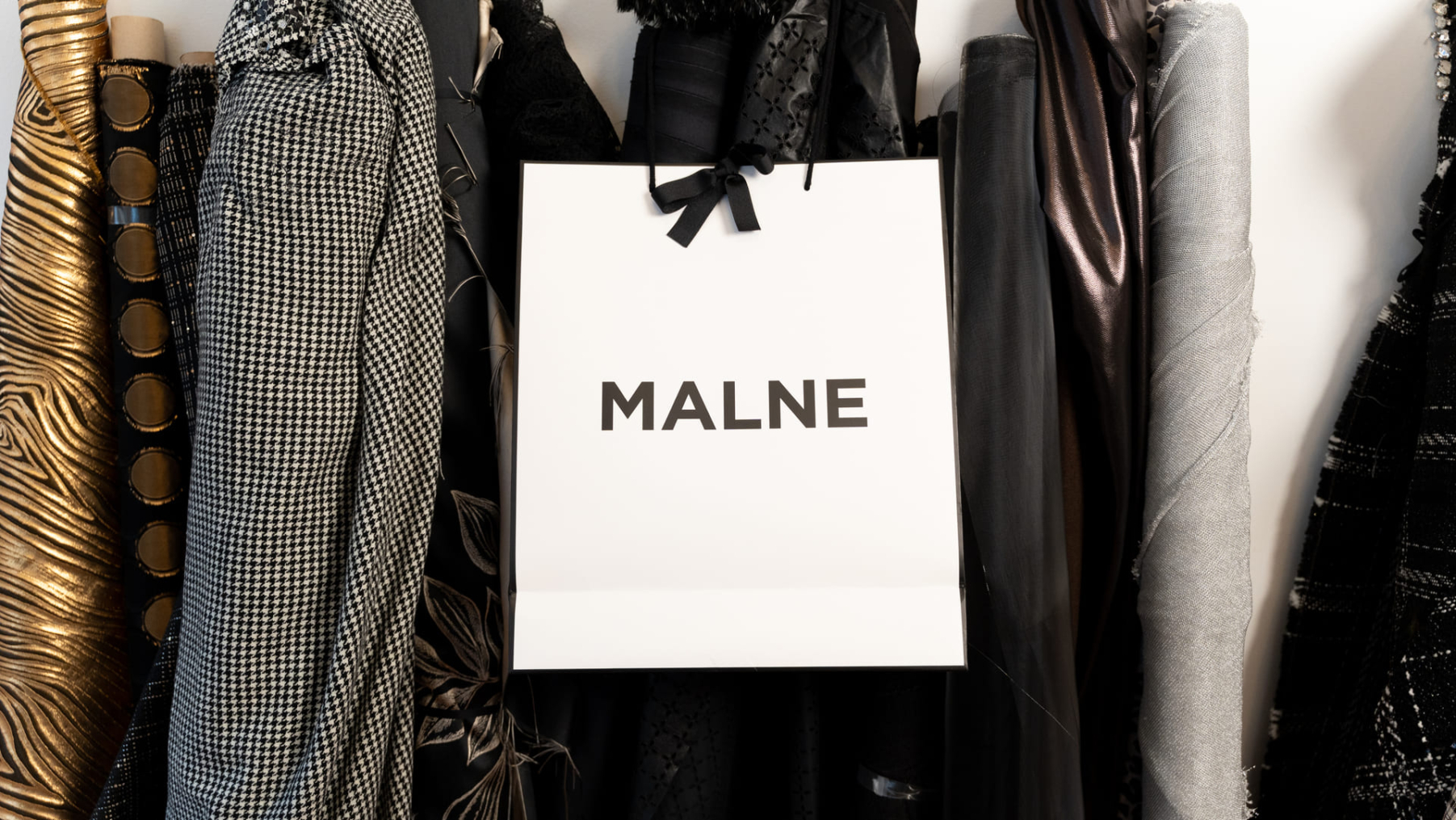
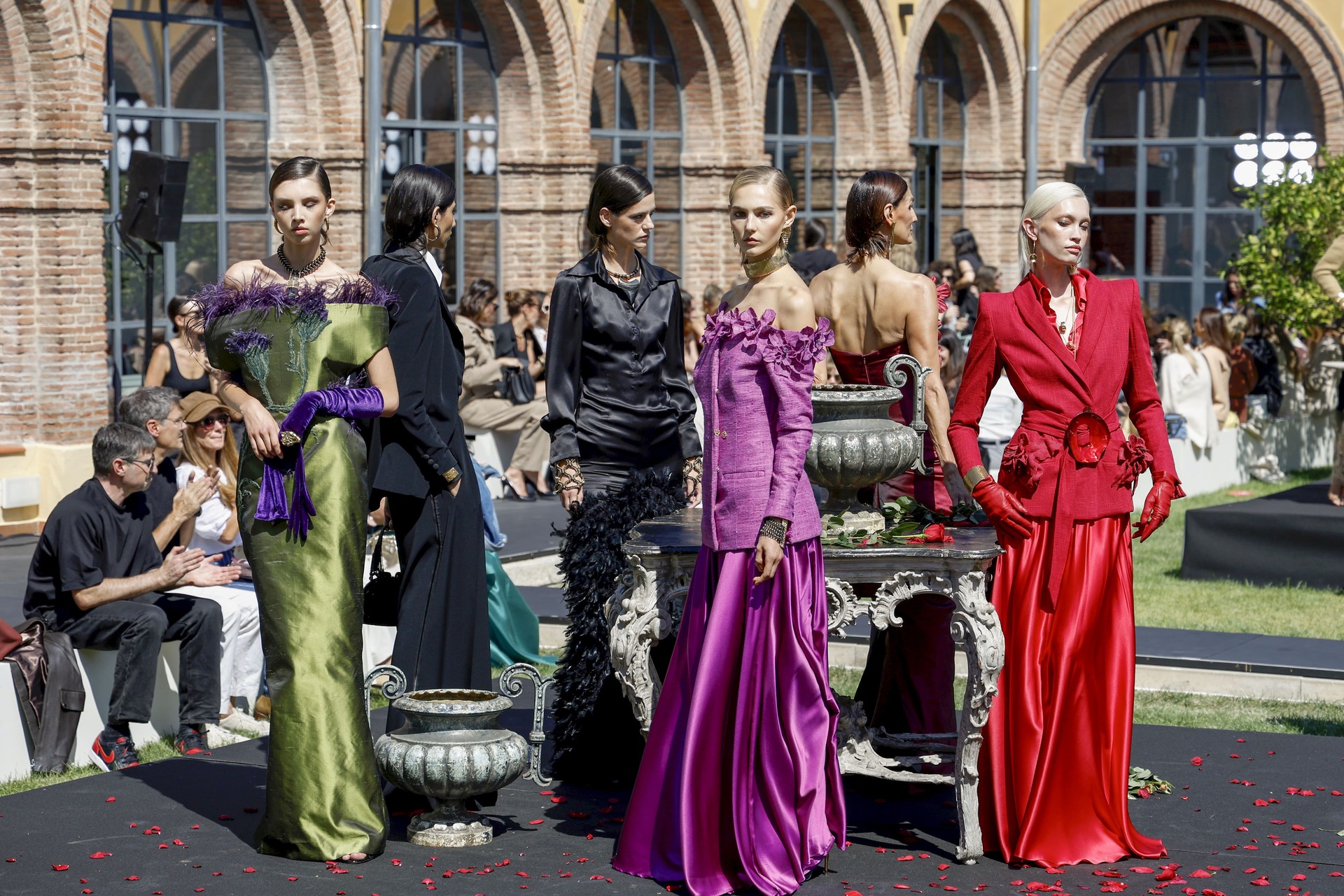
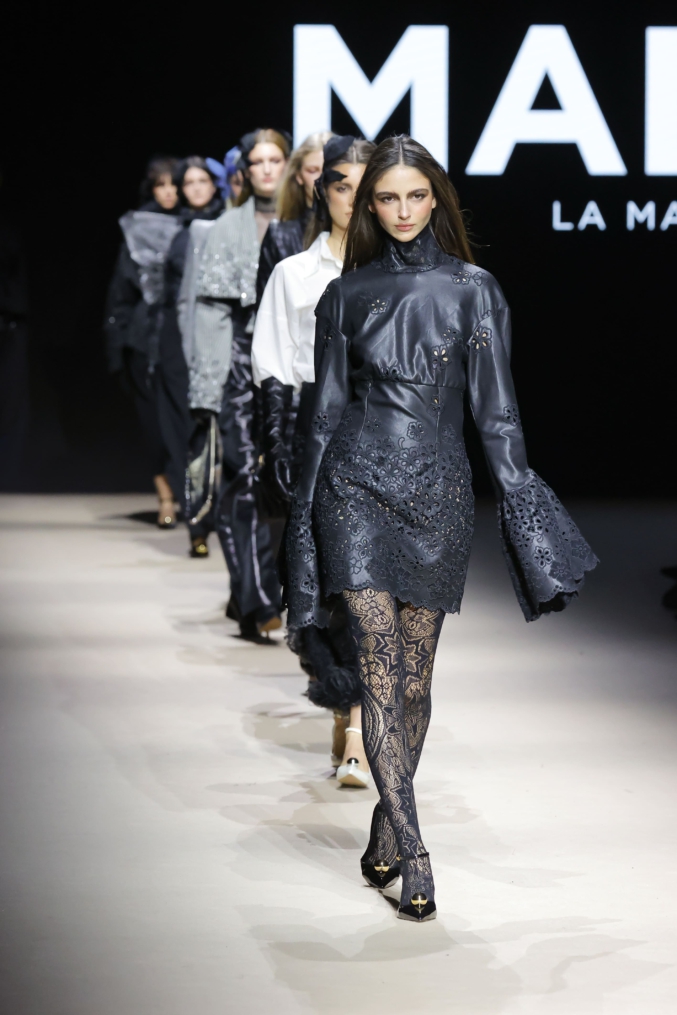
Sometimes, all that time culminates in a few minutes of parade. The catwalk represents weeks of work. In a brief, luminous, demanding scene, the garments move under the spotlights with apparent ease, although each movement is the result of hours of testing, decisions, and expert hands.
In Malne, we know that tension well. Mercedes-Benz Fashion Week Madrid The final product is displayed, while the atelier preserves the memory of the process. What appears on the catwalk has been conceived over days, sometimes months. The final scene belongs to the public; the construction belongs to the workshop.
Maybe That's why we continue to believe in the atelier's own rhythm. Because a high-fashion garment needs time to find its material truth, and a woman needs to feel supported until she recognizes herself in it. In that encounter between body, craft, and artistic vision, Malne He continues to understand luxury as a form of absolute attention.
In our atelier, each garment finds its time before finding its shape.