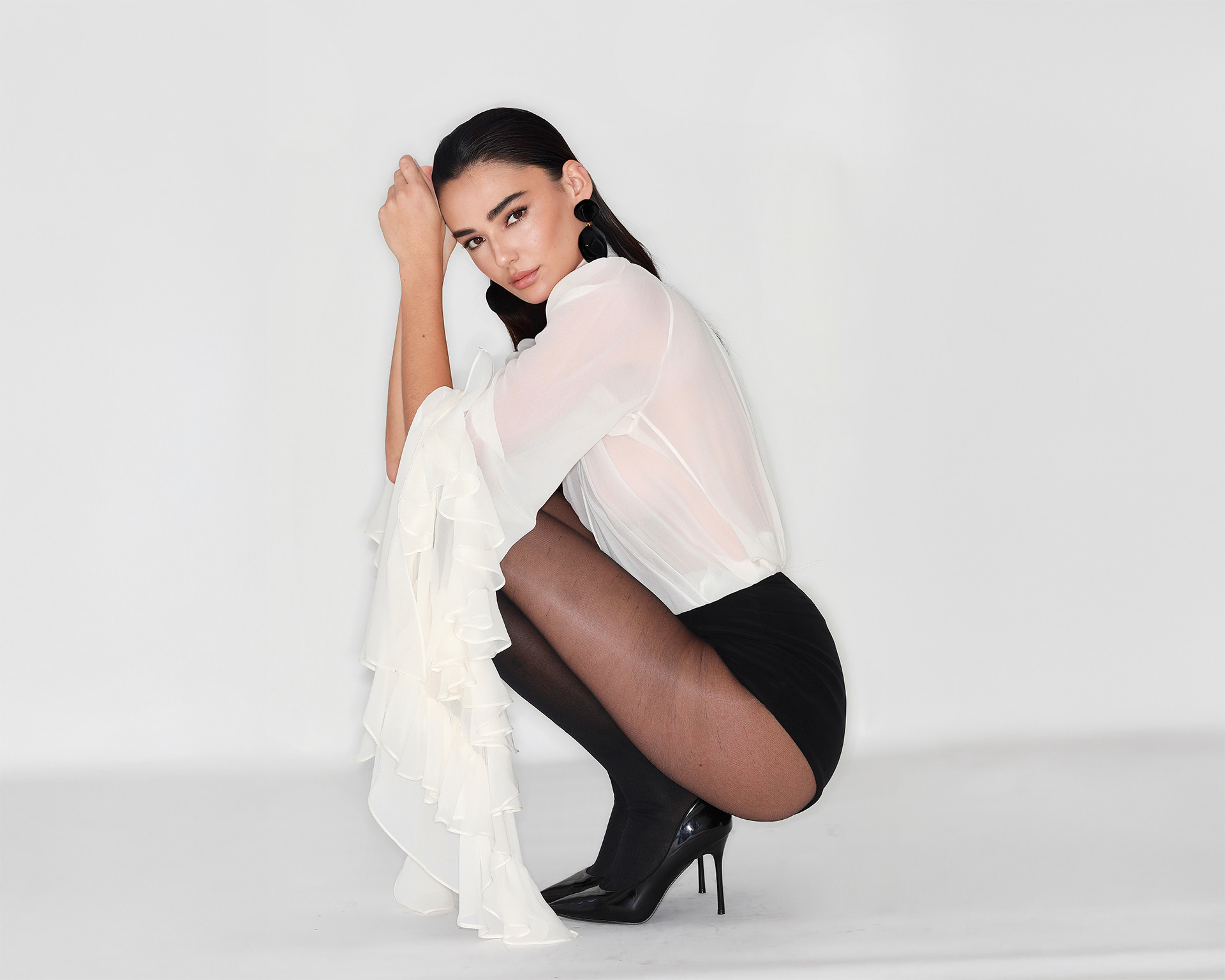
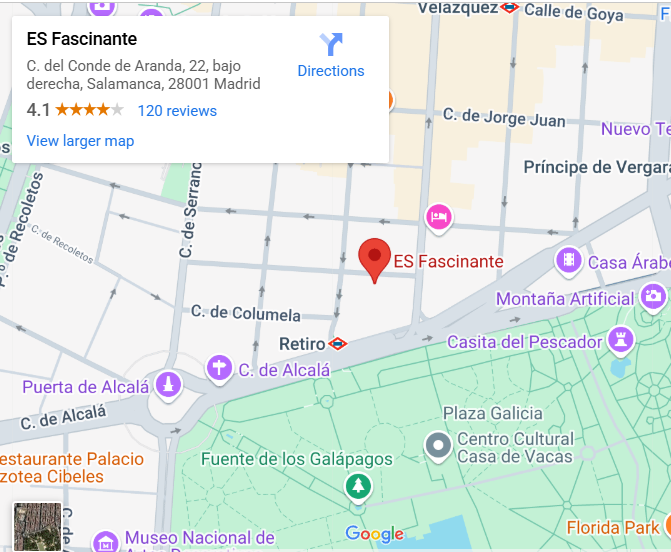
The fashion world has always been associated with the image of an international phenomenon where cities like Paris or Milan concentrate the prestige, large investments, and attention of the industry. However, Madrid has been consolidating its own identity Within the landscape of designer fashion, drawing on an extraordinary artisanal tradition, a new generation of creators, and a unique understanding of elegance. A cosmopolitan city with a vibrant cultural life, where talent coexists with the challenges of an industry still striving for greater international recognition.
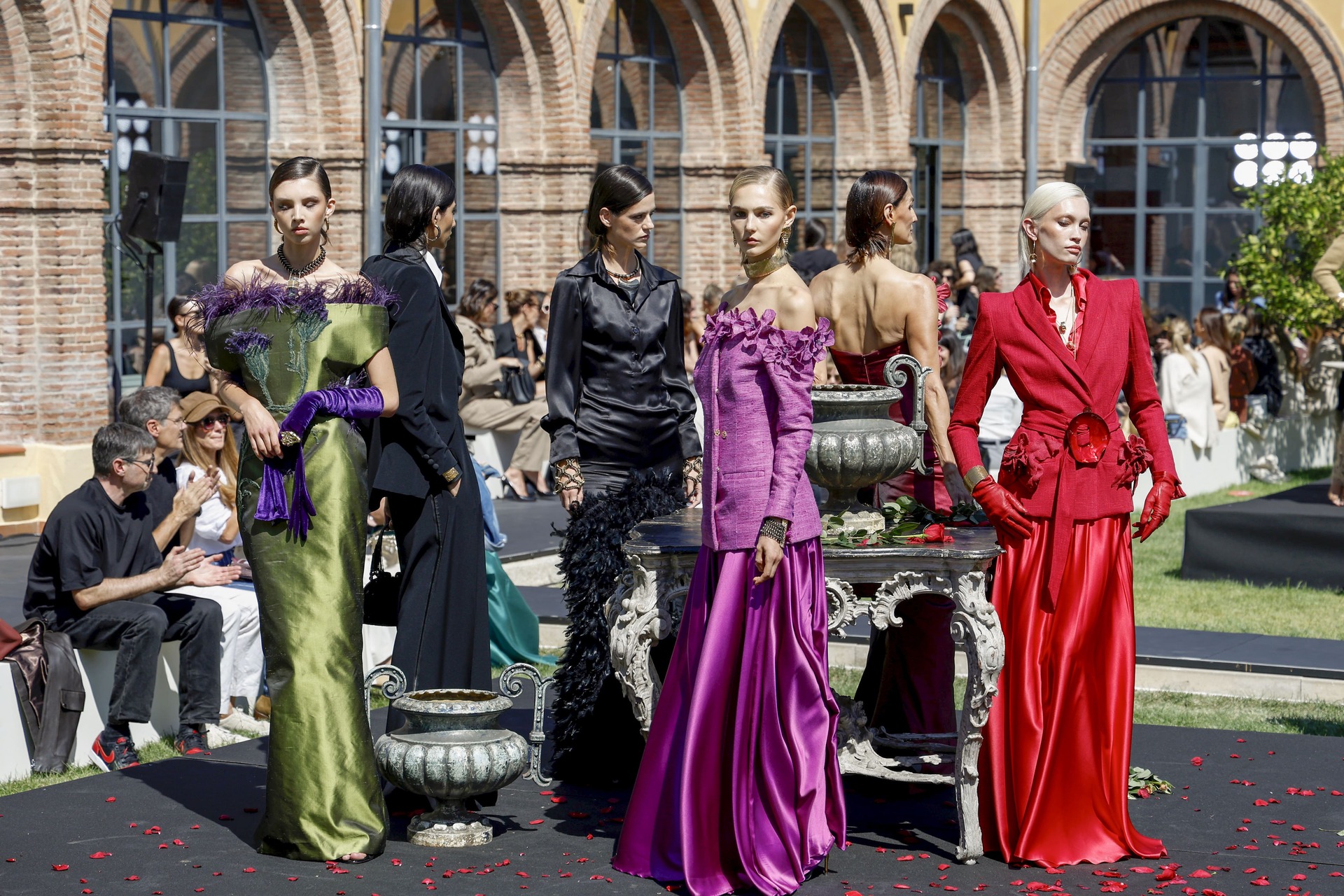
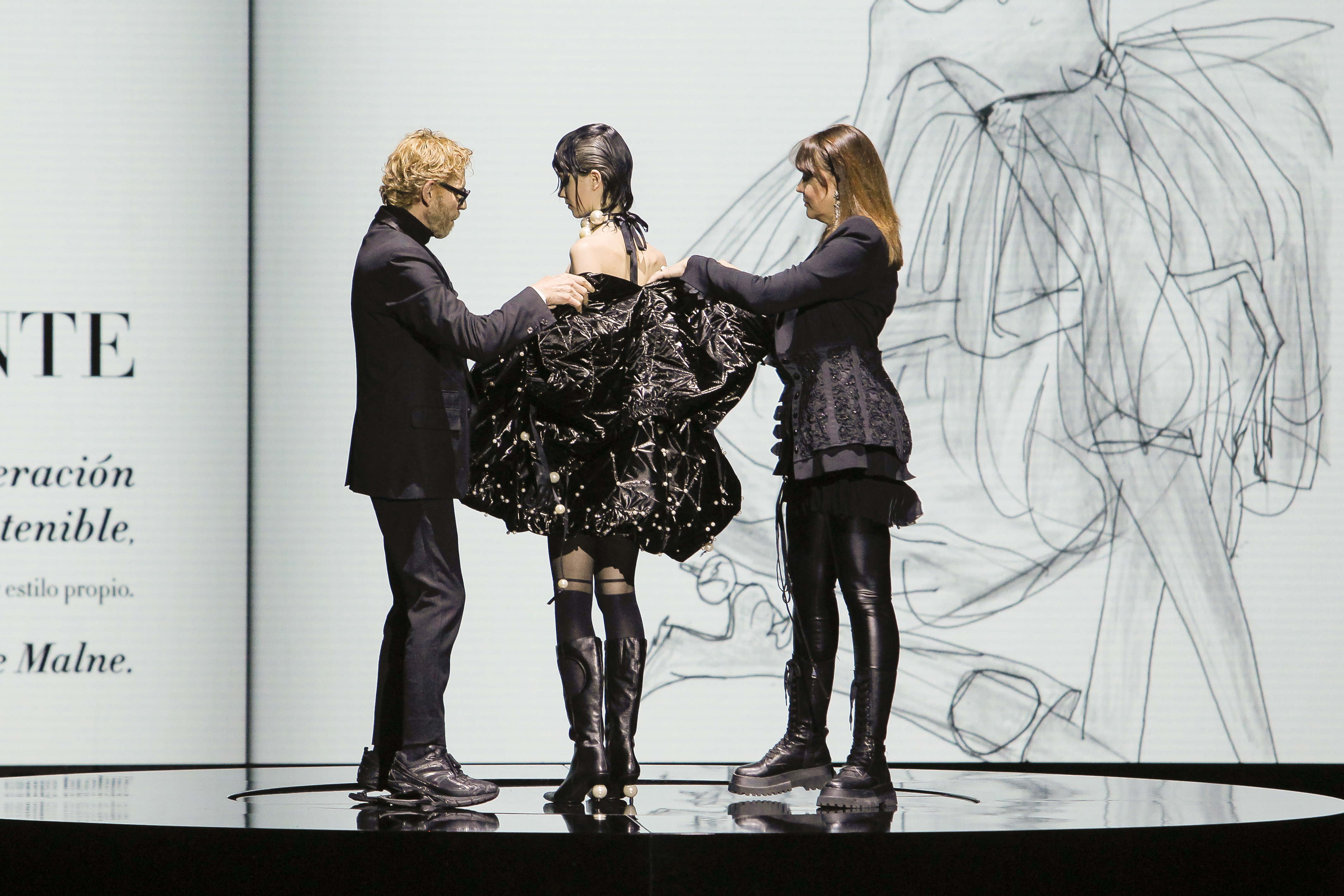
From their atelier in the heart of Madrid, Paloma Álvarez and Juanjo Mánez, founders of Malne, They have developed their own creative language that combines haute couture, craftsmanship, and a deep connection to the Spanish imagination. Their designs, which attract clients from different countries, reflect an understanding of luxury in which artistic work and close collaboration with artisans are fundamental.. We spoke with both designers. about the influence of Madrid on his collections, the cultural legacy that remains in his creations and the challenges that Spanish fashion faces to occupy the place it deserves on the international stage.
Madrid is part of Malne's origins and present. What does the city offer you as a place from which to create a designer fashion brand?
Madrid is a cosmopolitan city With a vibrant street life. That's essential for any fashion designer. Besides, we designers are true Madrileños. It's part of our DNA.
When discussing major fashion capitals, the conversation usually turns to Paris or Milan. What unique identity do you think Madrid can bring to contemporary luxury and haute couture?
At Malne La Maison we welcome many customers from outside Spaina. Our most frequent customers are Mexican or American. They value buying a unique, artistic piece made with artisanal techniques. Recently, a customer from the US bought a beautiful organza garment painted with oils.
To what extent does working from an atelier in Madrid, keeping design, pattern making and tailoring close at hand, condition your way of understanding fashion?
We've always worked with artisans alongside us. We consider it essential. Otherwise, it's like a film director not being on set. We know there are other ways to produce clothing, but if we used them, we think it would lose something. the essence of the designer fashion we offer.
Malne also stems from a Spanish tradition of design and craftsmanship. What elements of that fashion culture do you still recognize in your way of working?
It's very curious because, despite not being two particularly religious or bullfighting-oriented creators, we understand that a large part of our imagery and craftsmanship comes from the arts linked to the making and embroidery of garments for bullfighting or for dressing religious images. In that sense, we are very fortunate because it creates a traditions that can be used in high fashion. But even in our own creations, we realized that we produce garments similar to the Spanish cape, to the bullfighting cape. It's incredible how deeply ingrained in our subconscious we can harbor that type of silhouette.
What would have to happen for Madrid to gain even more international weight as a designer fashion city without losing what makes it different?
It is obvious that Spanish fashion lacks funding and industry.. A major fashion house in Paris has the funding to produce shows that cost millions of euros. Here, to create a collection and a show, we barely reach budgets well below one hundred thousand. Obviously, the grandeur we see in those shows, the enormous resources available to those designers in every area, are not what we have here. We have an amazing pool of talent here, but we lack resources, and then there's the issue of the public. Although that's improving significantly, the fashion culture of a buyer in Paris, NYC, or Milan is radically different. In Spain, discretion is valued, almost a uniform. In contrast, in those cities, difference and novelty are sought after. At MALNE, we offer novelty, exclusivity, and originality.