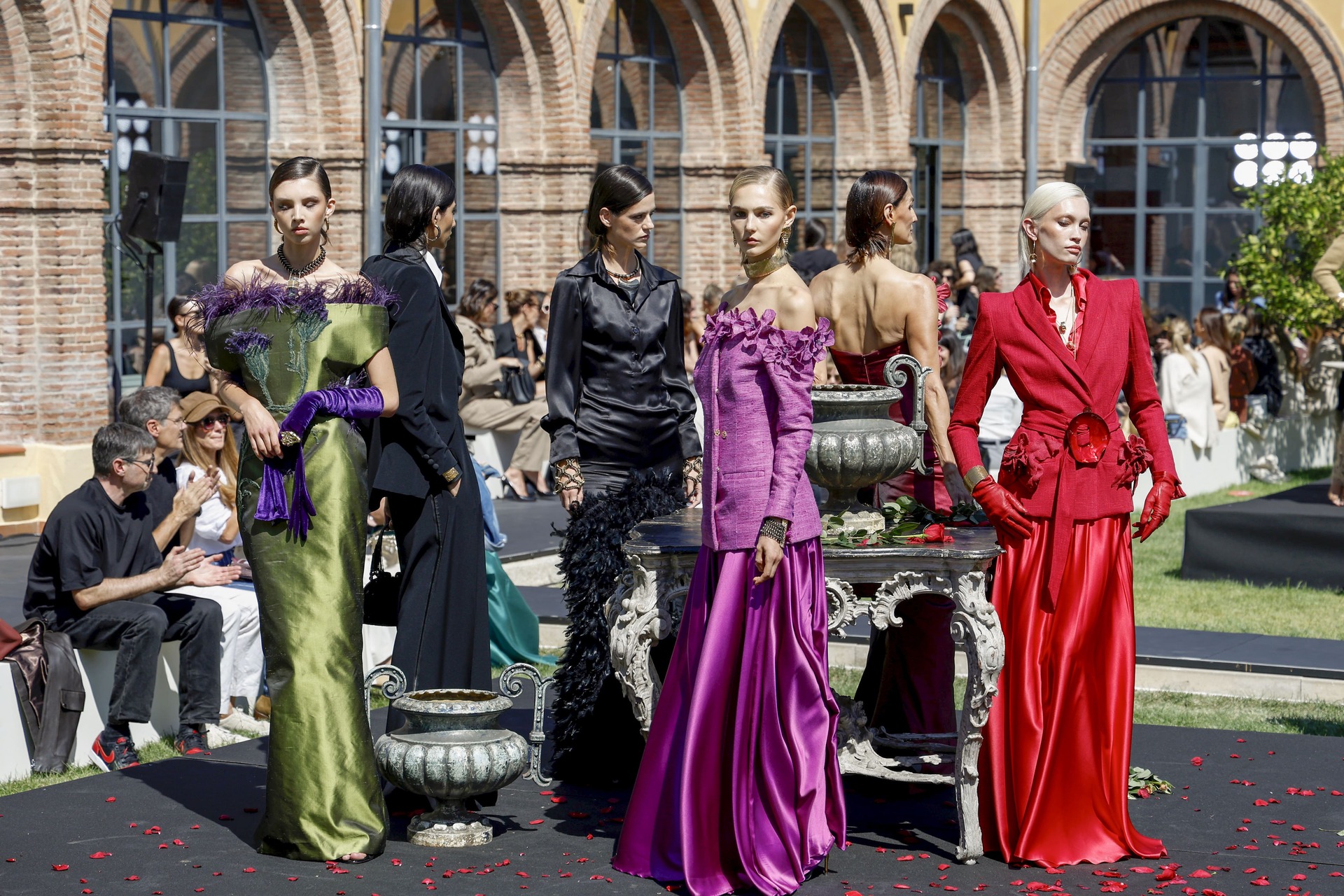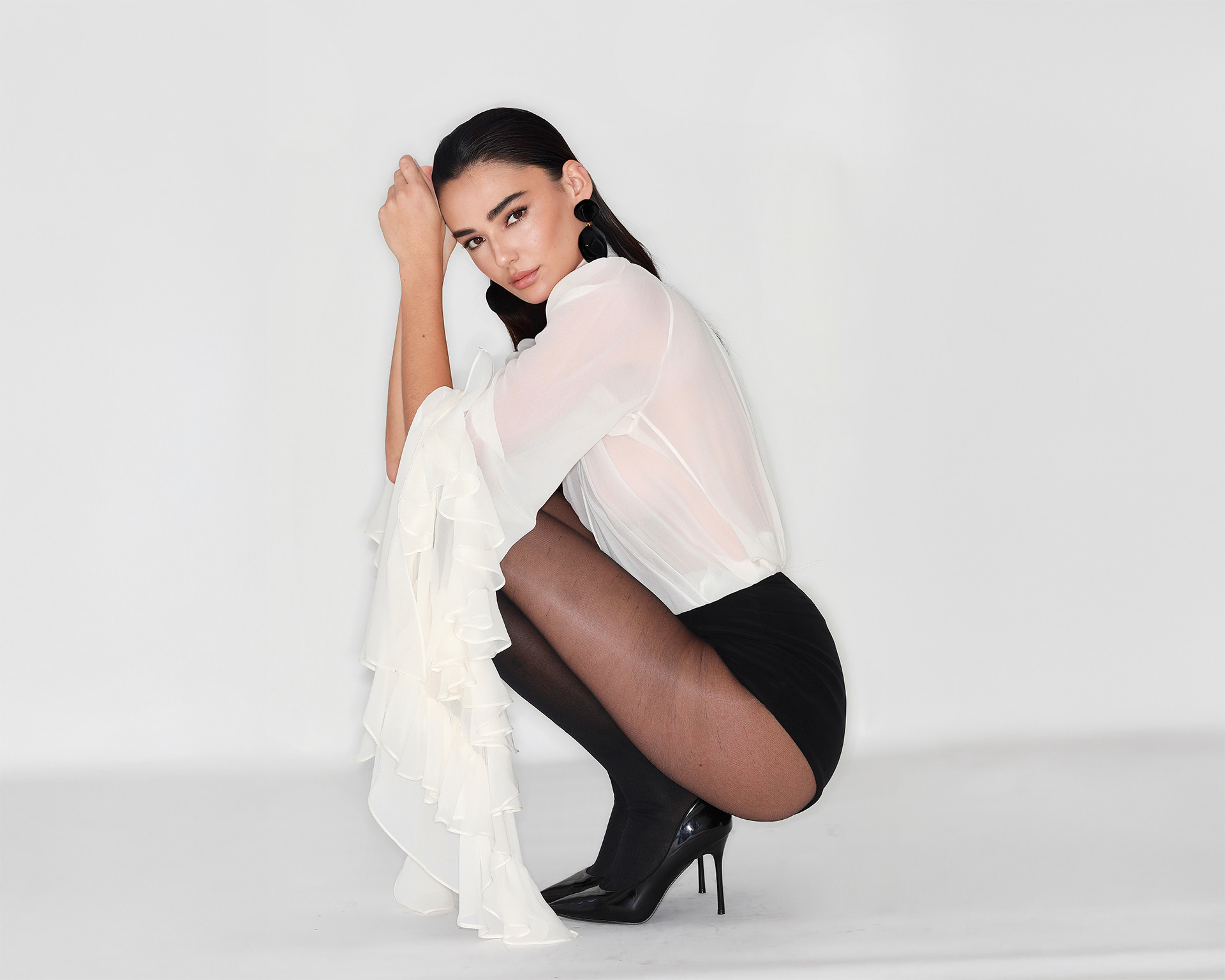
Luxury doesn't always need to be introduced. Sometimes it's perceived in the way a sleeve originates from the shoulder, in a drape that naturally complements the body, or in a proportion that seems simple precisely because it's the result of meticulous craftsmanship. Before the price and before the label, there are a series of design and construction decisions capable of completely transforming a garment's presence.
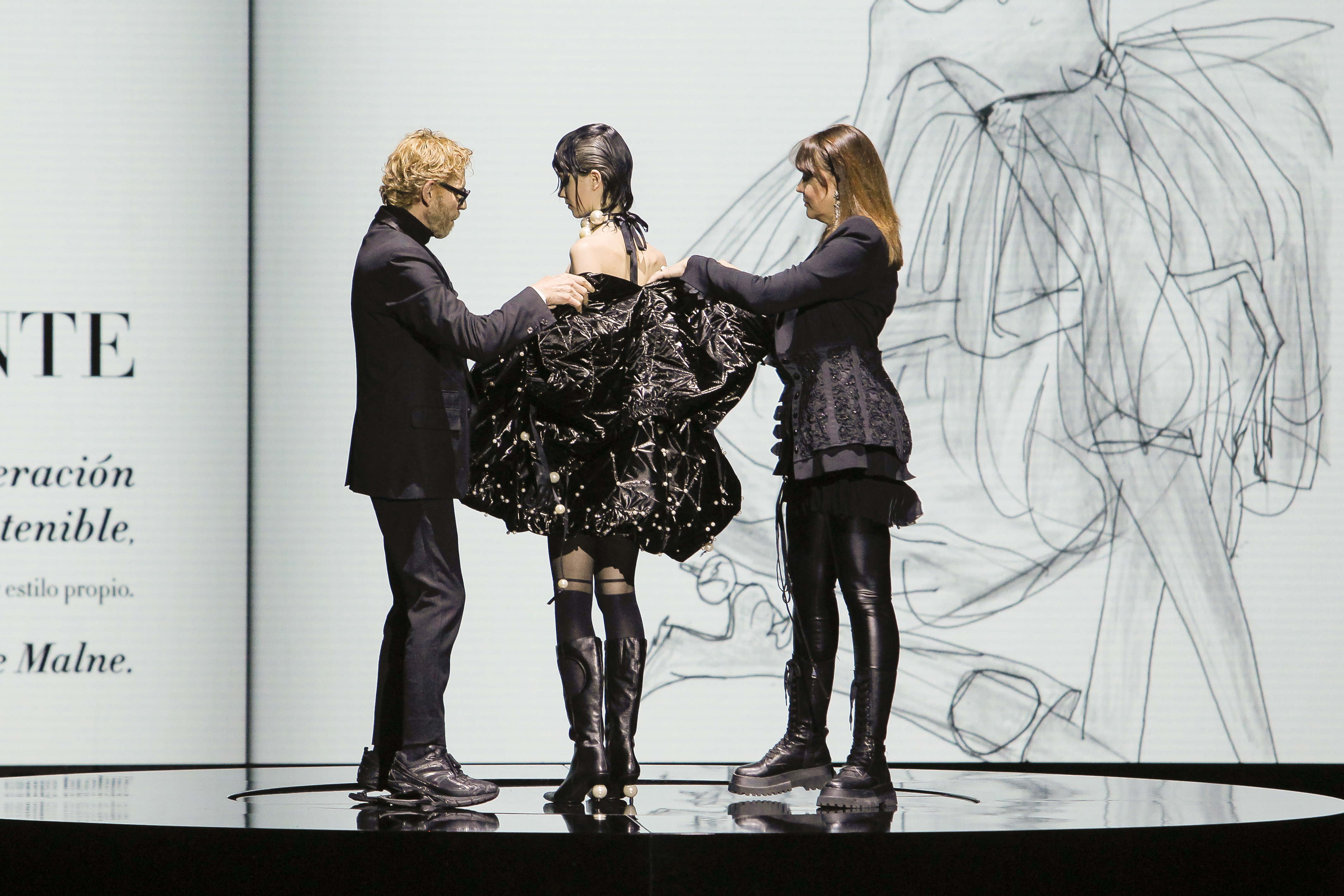
That that makes a truly luxurious garment recognizable Our conversation with Paloma Álvarez and Juanjo Mánez focuses on: the pattern, the structure, the fabrics, the handcrafted finishes, the proportions, and that less obvious quality that gives a piece presence. A conversation about luxury understood through design and craftsmanship, beyond the value a brand might attribute to it.
What makes a garment convey luxury even before you know its price or see the label it has?
Look at the garment's appearance: whether the pattern is good or if it hangs awkwardly on the hanger. Consider the taste with which the material was chosen. The finishing touches. And the design.
When you look at a garment, what details allow you to immediately distinguish a well-made piece from one whose appearance depends mainly on the fabric or the brand?
Normally, people in the design profession look first at the idea, its originality, its creativity, and then at whether that idea, that design, has been carried out professionally.
How important are drape, proportions, and structure in making a garment stand out when it enters a room?
Proportions are everything in a good garment. Something that's too short, too big, and unflattering, with outdated proportions—all of that, if poorly made, detracts from the overall style, no matter how well-made the garment itself is.
Luxury is often associated with very expensive materials. But to what extent can a garment be truly luxurious when its greatest value lies in its design, pattern, and craftsmanship?
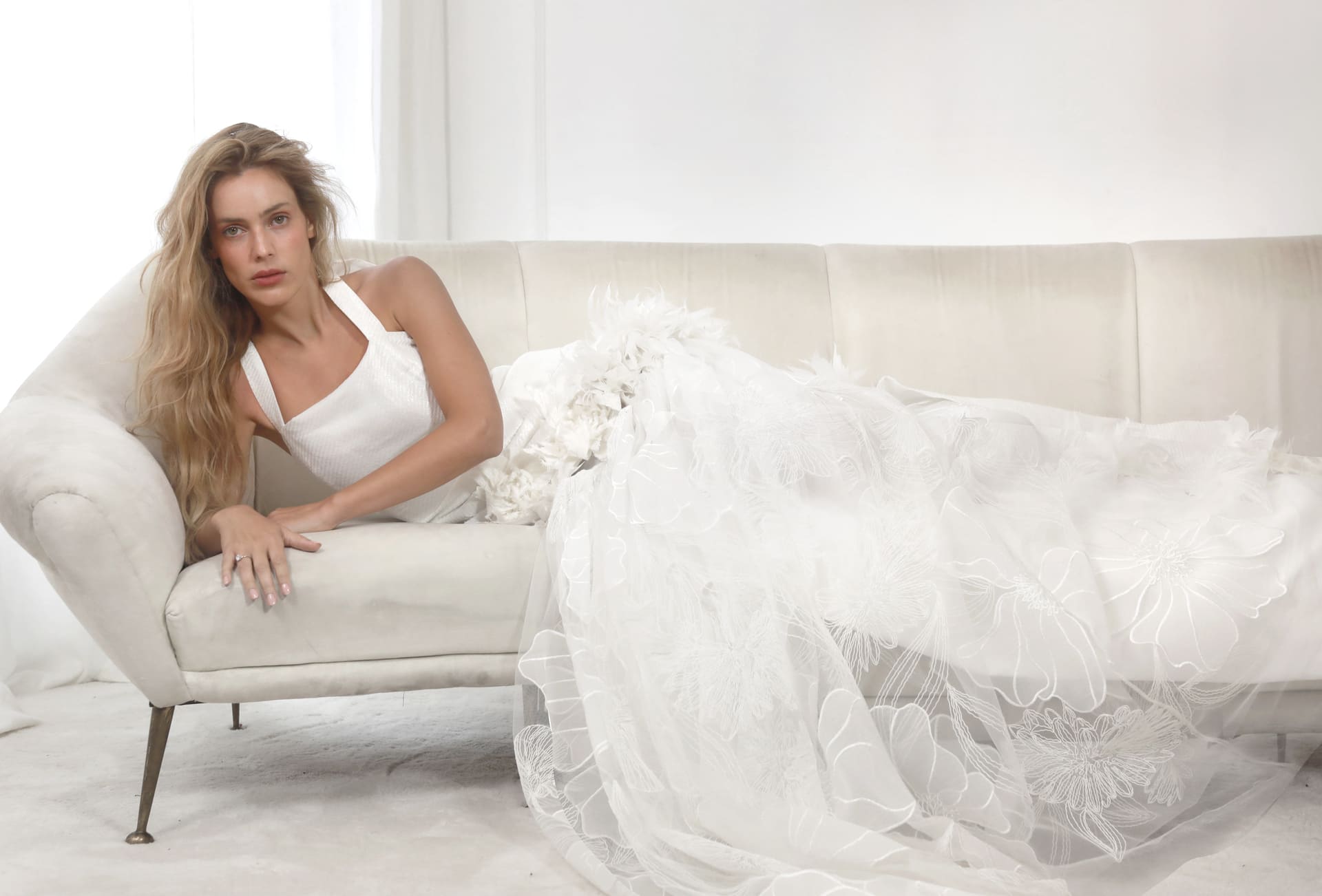
You can make something by hand with rope or silk. You can make a carved wooden keychain, and that would be considered craftsmanship, but not luxury. Haute couture, however, prioritizes the highest quality of fabric, as well as the skill of the artisan and the creativity of the designer.
After years working in fashion, do you think we have learned to better distinguish quality or that the power of the label still too much conditions our perception of what we consider luxury?
The label is chosen when one wants to show off "having money," and it is usually chosen by someone who doesn't have it.