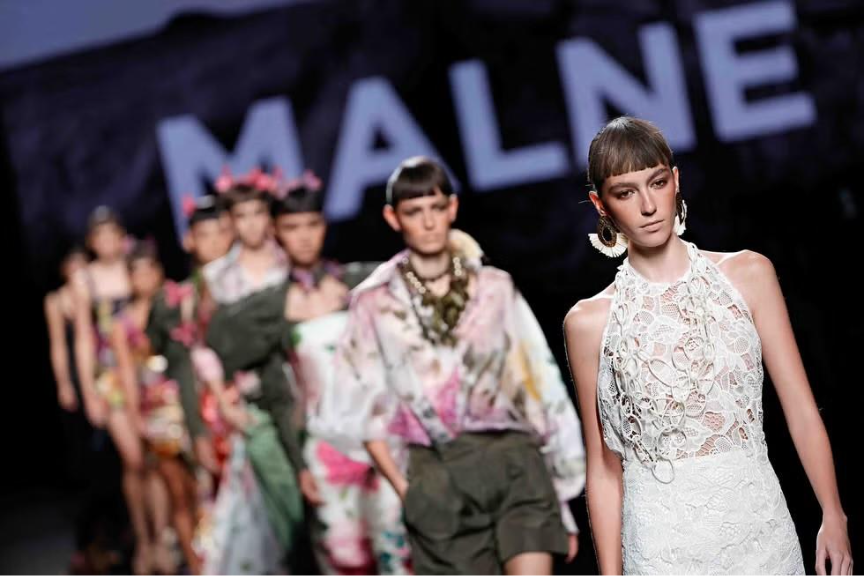
«"A collection is not presented: it is revealed. And to reveal itself well, it needs rhythm, intention, and a precise way of breathing on the catwalk."»
From the outside, a fashion show It seems like a moment of flawless intensity. The music starts, the lights create an atmosphere, the models move forward, and the collection unfolds before the audience's eyes as if it all sprang from a single, luminous intuition. But those of us who know this process intimately understand that this apparent naturalness is, in reality, the result of a very well-thought-out architecture.Nothing significant happens by chance. Every departure, every silence, every change in texture, every pause in color is part of a delicate construction.
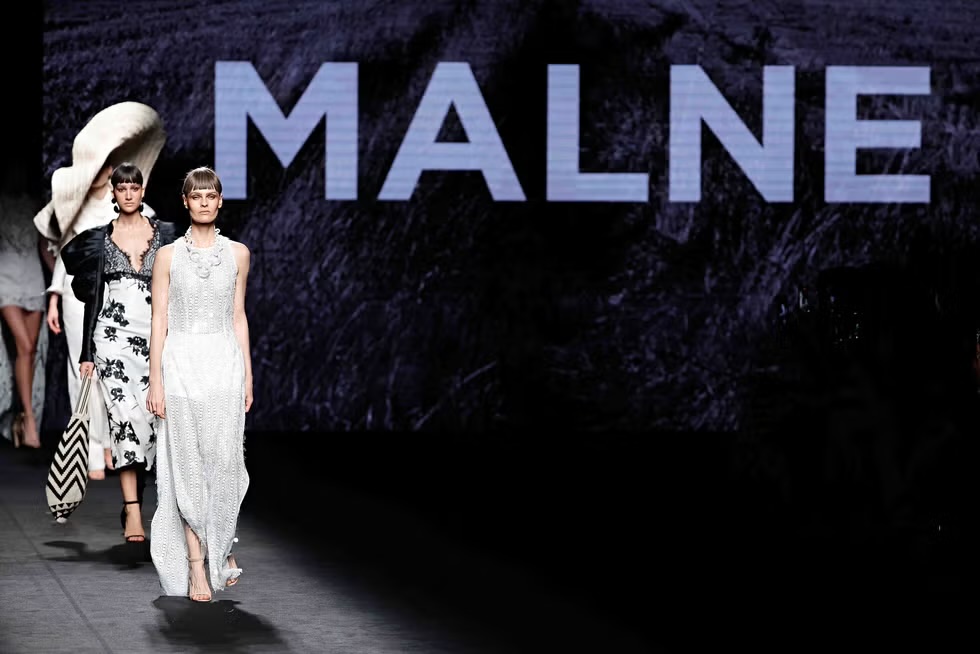
A fashion collection It doesn't truly come to life when it's finished being sewn, but when it finds a way to express itself. fashion runway It is a visual language in every sense of the word. Its task is to organize an idea so that the viewer perceives it with clarity, emotion, and memorability.
A collection begins long before the first look
All fashion presentation It stems from an inner decision: what universe do we want to conjure and what emotion do we wish to leave suspended in the room? Before discussing the order of appearance, fittings, or soundtrack, there is a deeper question: what is the pulse of the collection? That pulse usually appears in an initial gesture—a fabric, a silhouette, an artistic reference, a tension between structure and lightness—and from there, the editing process begins.
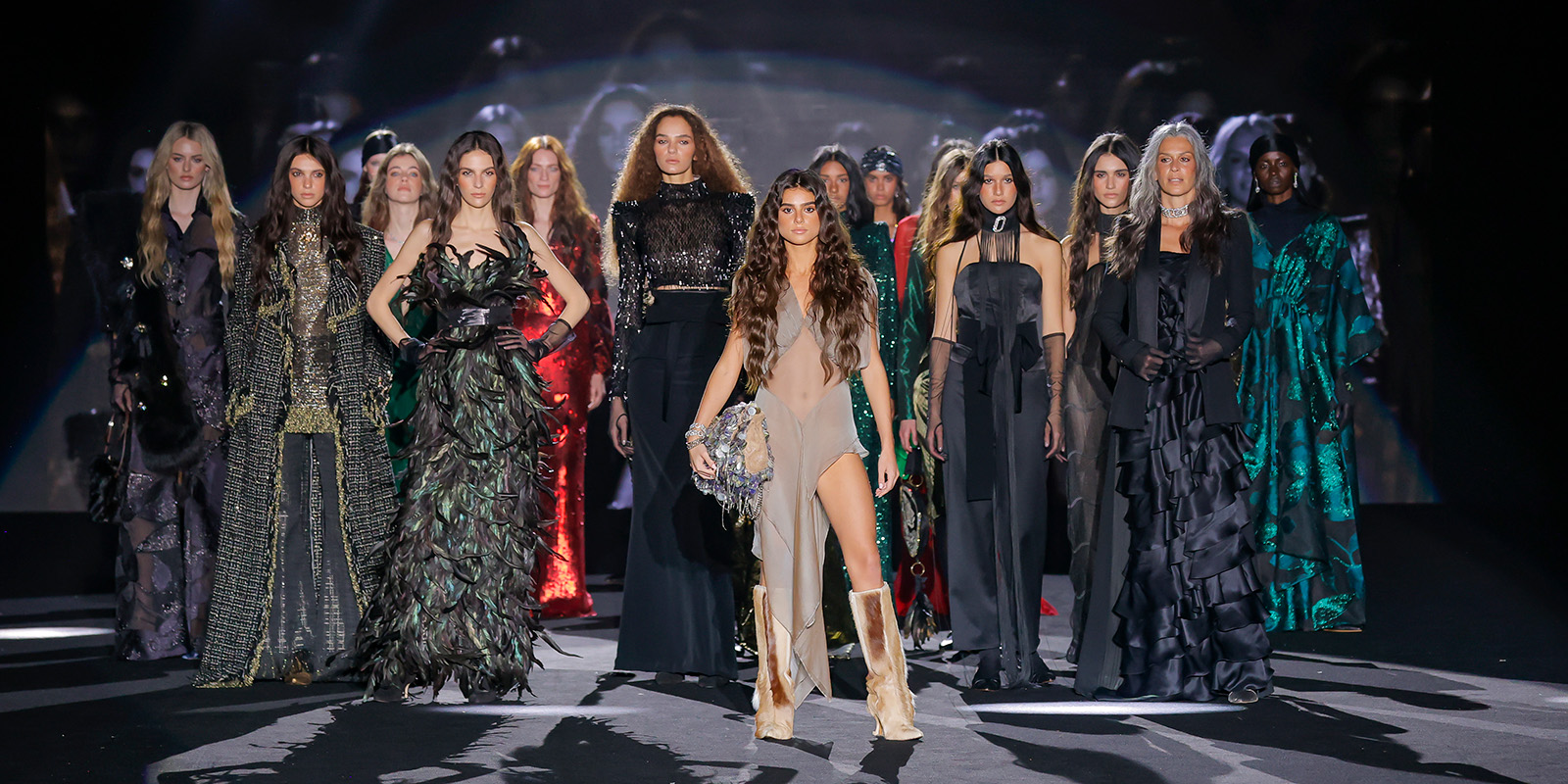
That moment is crucial. One fashion collection It's not simply a matter of accumulating beautiful garments. It needs coherence. It needs the pieces to converse with each other, for one to prepare the next, for the eye to move forward without feeling a break. In a fashion runway Professionally, the viewer should not perceive isolated pieces, but a sequence that matures before him.
Therefore, the most important work isn't always about designing more, but about making better decisions. Editing a collection means understanding the place of each garment within the whole. Which one opens the look? Which one supports it? Which one surprises? Which one adds depth? Which one lightens the look? Which one closes with just the right amount of impact?.
The order of departure also shapes
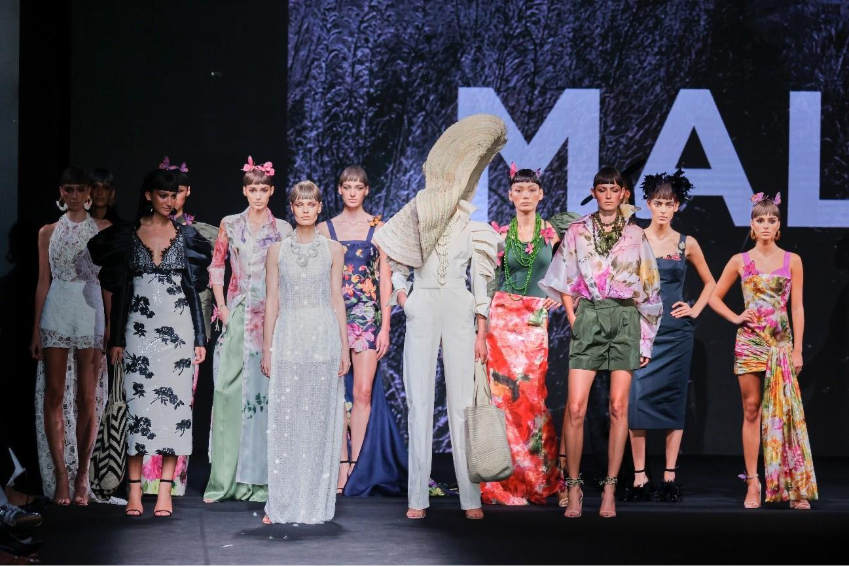
In a fashion show, Order is a compositional tool. Some collections open with a sober look, allowing the crescendo to build later. Others prefer a powerful entrance from the very first minute. Some construct an almost musical ascent; others alternate tension and repose to avoid a one-dimensional presentation.
The key is understanding that the order in which a piece appears is part of the design. A statement jacket isn't perceived the same way if it emerges after three flowing silhouettes as if it bursts forth amidst more structured volumes. Embroidery can become a culmination or a transition. A color can ignite the narrative or halt it to prepare for the next movement.
In that sense, a fashion collection Well-articulated, it resembles a musical score. It's not enough for each note to be beautiful on its own; the relationship between them matters. The audience's visual ear also needs breathing room.
What sustains a professional fashion runway
There are visible elements and others that are almost secret that determine the final result of a fashion runway.They must all be in service of the same intention.
The keys that give coherence to a fashion show
- A clear central ideaEvery collection needs a recognizable motif, even if it's not literal.
- A well-edited lineupViewing all the looks together allows you to detect repetitions, gaps, and excesses.
- Rigorous FittingsThe garment should be tested while in motion, not just while stationary.
- A logical departure orderThe sequence must build a visual narrative, not just solve a logistical problem.
- A coherent soundscapeMusic sets the tempo, intention, and memory.
- A well-thought-out castingEach model should enhance the spirit of the collection.
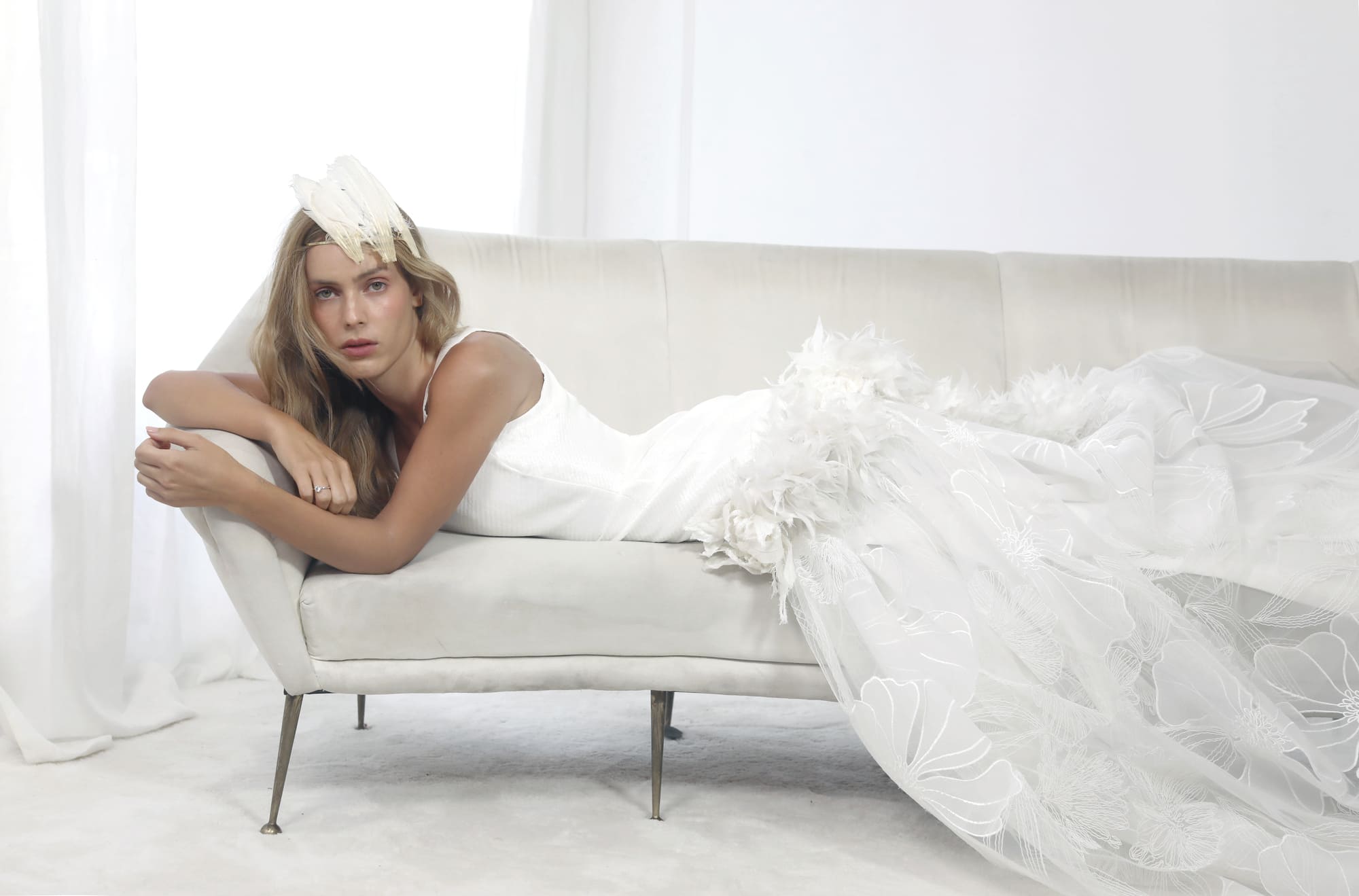
- A refined final stylingHairstyle, makeup and accessories complete the overall look and feel.
When these elements are truly aligned, the fashion presentation It gains solidity. The public may not be able to name each of those decisions, but they do perceive their effect: they feel that there is a truth behind what they see.
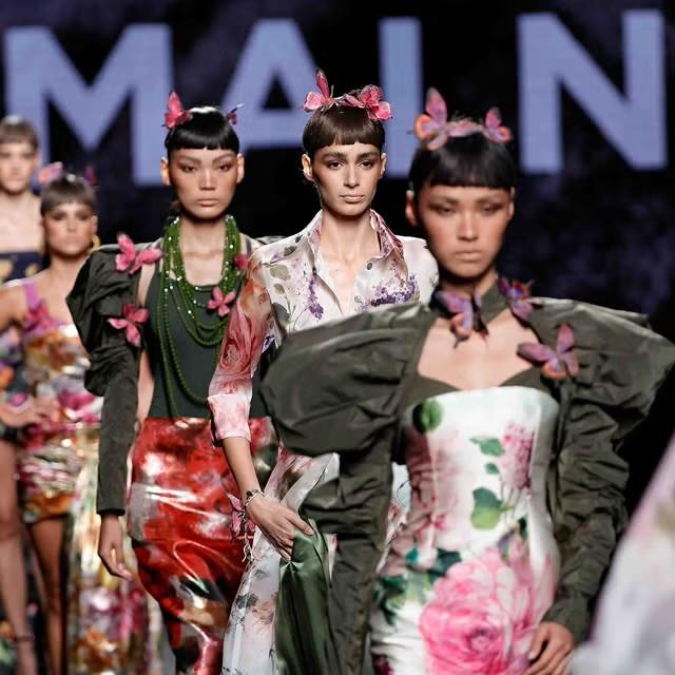
The fitting: where the garment learns to move
One of the most decisive moments in the fashion events The fitting is a professional skill. Some garments look impeccable on a hanger, yet reveal an unexpected stiffness when you walk. Others, however, acquire an extraordinary life when you walk.
A fitting isn't just for correcting alterations. It's for understanding the character of each look. For discovering which silhouettes need a different model, which lengths require a slight variation, and which order of appearances could be improved if a garment were shown a few minutes earlier or later. Often, the true meaning of a fashion collection It becomes clear there, in that dialogue between fabric, body and rhythm.
It's also a moment of creative humility. The garment tells us what it needs. And good art direction knows how to listen.
Music, light and choreography: the invisible thread
A fashion runway It is remembered as much for what it shows as for the atmosphere it creates. The music is the invisible thread that connects the audience's emotion with the models' walk. It doesn't accompany: it guides. It sets the tempo, regulates the tension, builds anticipation, and defines the final impression.
Lighting plays an equally delicate role. It's not just about illuminating the garments well, but about deciding what kind of presence we want to give them. A collection might call for sculptural clarity or a more evocative shadow. Both choices are valid, as long as they belong to the same aesthetic.
The choreography, for its part, completes the interpretation. The crossings, the pauses, the time a model remains offstage, the appearance of the closure, even the moment the designer takes his bow—everything contributes to the narrative. In the grand fashion events, The emotion arises precisely from that sum of details.
When the collection becomes memory
A fashion presentation A professional's work continues in the visual memory it leaves behind. What remains is not usually a single dress, but a sense of the whole: a rhythm, an atmosphere, an aesthetic conviction. Therefore, putting together a collection requires much more than simply assembling good designs. It demands a discerning eye, careful editing, and an almost theatrical discipline.
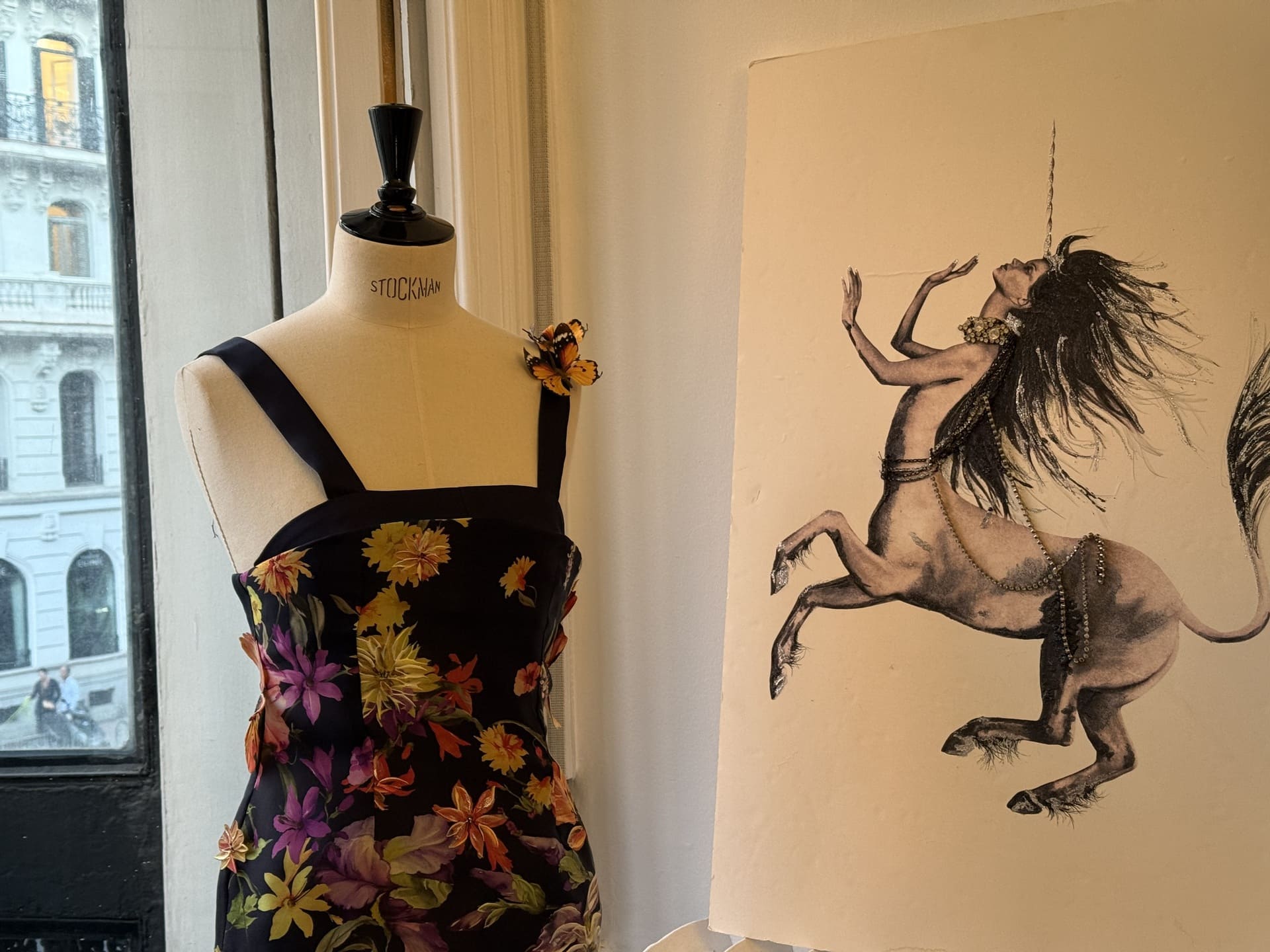
At Malne We have always understood that a collection must be sustained by design, craftsmanship, and a recognizable identity, never by improvisation or industrial logic. The collection must breathe as a whole while allowing each piece to retain its uniqueness. This tension between unity and character is part of the high fashion we champion.
In the end, a fashion show The unforgettable one is not the one who teaches the most, but the one who reveals best. The one who knows how to order beauty so that it progresses with meaning. The one who transforms a fashion collection in an experience of time, rhythm, and vision. And that is, perhaps, the most refined form of coherence: to make everything dialogue without anything needing to be explained.