«"Each city has its own way of bringing an idea to life on the catwalk."»
When we think about the big ones Fashion Week In Europe, we don't just imagine a succession of parades and spotlights. We see cities transforming, different rhythms of looking at fashion, languages that have been refined over decades of history. Paris, Milan and Madrid They mark three very precise ways of understanding the fashion events.
Each one illuminates a particular relationship between runway, city, and craft. And for a designer label, understanding that character is essential to establishing its own place in the narrative.
Paris: the catwalk as a high culture ritual
In the Paris Fashion Week, Paris becomes a complete stage. The fashion shows are spread across palaces, museums, industrial spaces, and historic hotels; The catwalk blends into the urban fabric to the point of seeming like a natural extension of French cultural heritage. The city not only houses collections, it also legitimizes a way of understanding fashion as high culture.
There, haute couture is not a flexible label, but a term protected by law and regulated by the Federation of Haute Couture and Fashion. For a fashion house to be recognized as such, it must work with workshops in Paris, have stable technical teams, and present bespoke collections twice a year. This institutional structure supports a very clear idea: fashion as an artistic discipline, as a laboratory for material and conceptual innovation, and as an ambassador for the country.
In practice, the Parisian catwalk It is characterized by a highly controlled theatricality, where the sets can be striking, but always remain at the service of the cut and the fabric. Intellectual narrative coexists with an obsessive attention to detail; the looks engage in dialogue with archival pieces and historical references reinterpreted for the present. For any designer, Paris suggests a horizon of ultimate refinement: the runway becomes a cultural manifesto and an extreme demonstration of craftsmanship.
Milan: luxury born from fabric and real life
The Milan Fashion Week This transforms the Lombard city into a synonym for craftsmanship applied to genuine luxury—wearable on the street, in the office, and at night. The famous Made in Italy It is sustained by a network of workshops, manufacturers, and suppliers that place weaving at the heart of the story. In the Fashion Week Milanese cuisine, leather and wool craftsmanship, impeccable tailoring, and patiently crafted volumes create a unique language that speaks of both style and industry.
Milanese glamour rests on this tactical foundation: every coat, every evening gown, every daytime ensemble is designed to work in specific situations without sacrificing drama. The Milanese catwalk creates a seamless transition between business attire and formal wear, as if someone sitting in a meeting could step directly into an important dinner with subtle transformations. The focus is on the subject matterLeather that ages with dignity, full-bodied wools, heavy silks, technical blends, all displayed in a way that almost makes you want to touch the screen.
At the same time, Milan reinforces an idea of luxury with a local identity. The city's industrial history, families linked to fashion, textile factories, and urban life appear as a constant backdrop. For a designer, the Milan Fashion Week Remember that a luxury garment is sustained by its use: by how it falls, how it withstands, how it accompanies the body for years and how it builds a silent presence in everyday life.
Madrid: creativity, roots and talent in motion
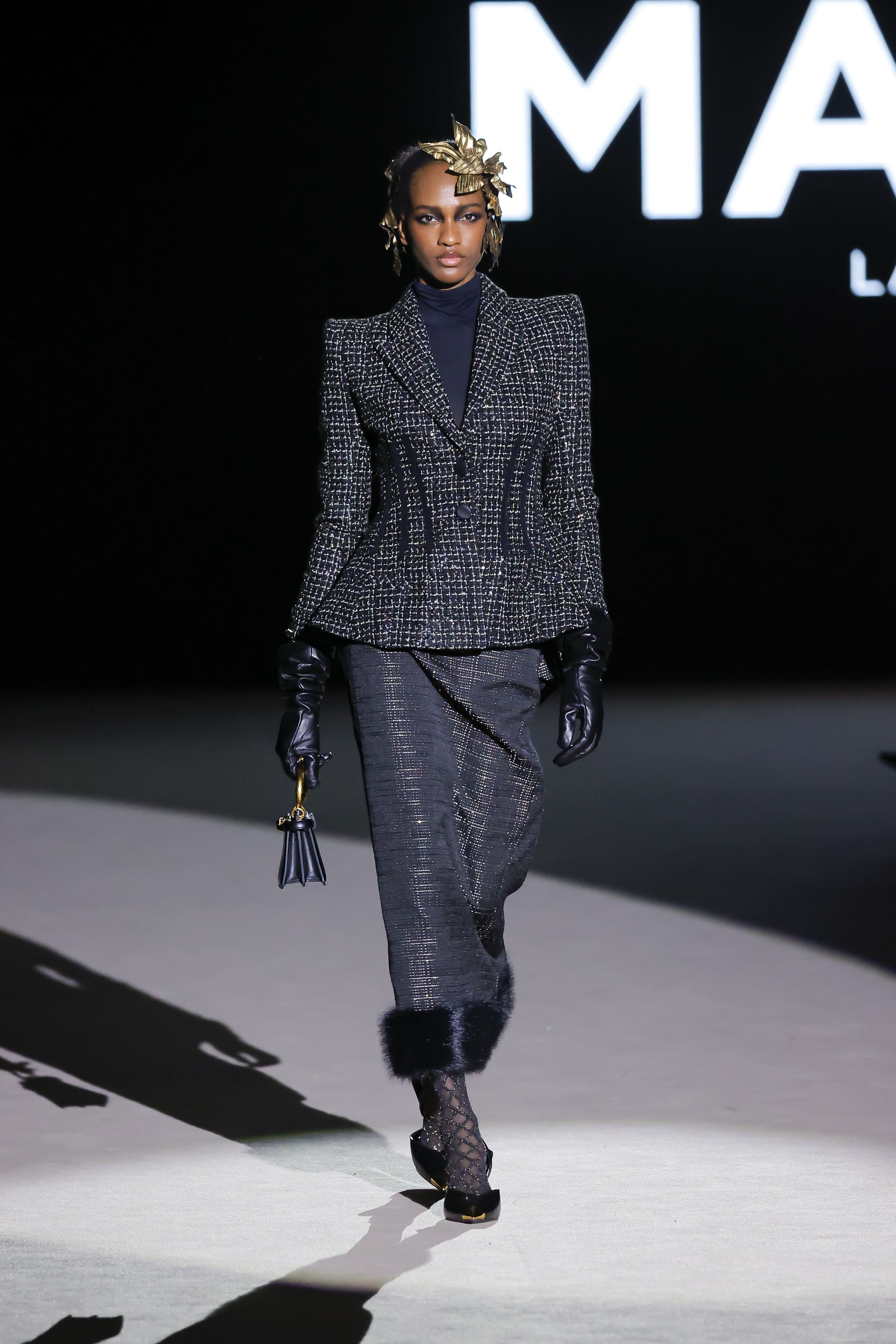
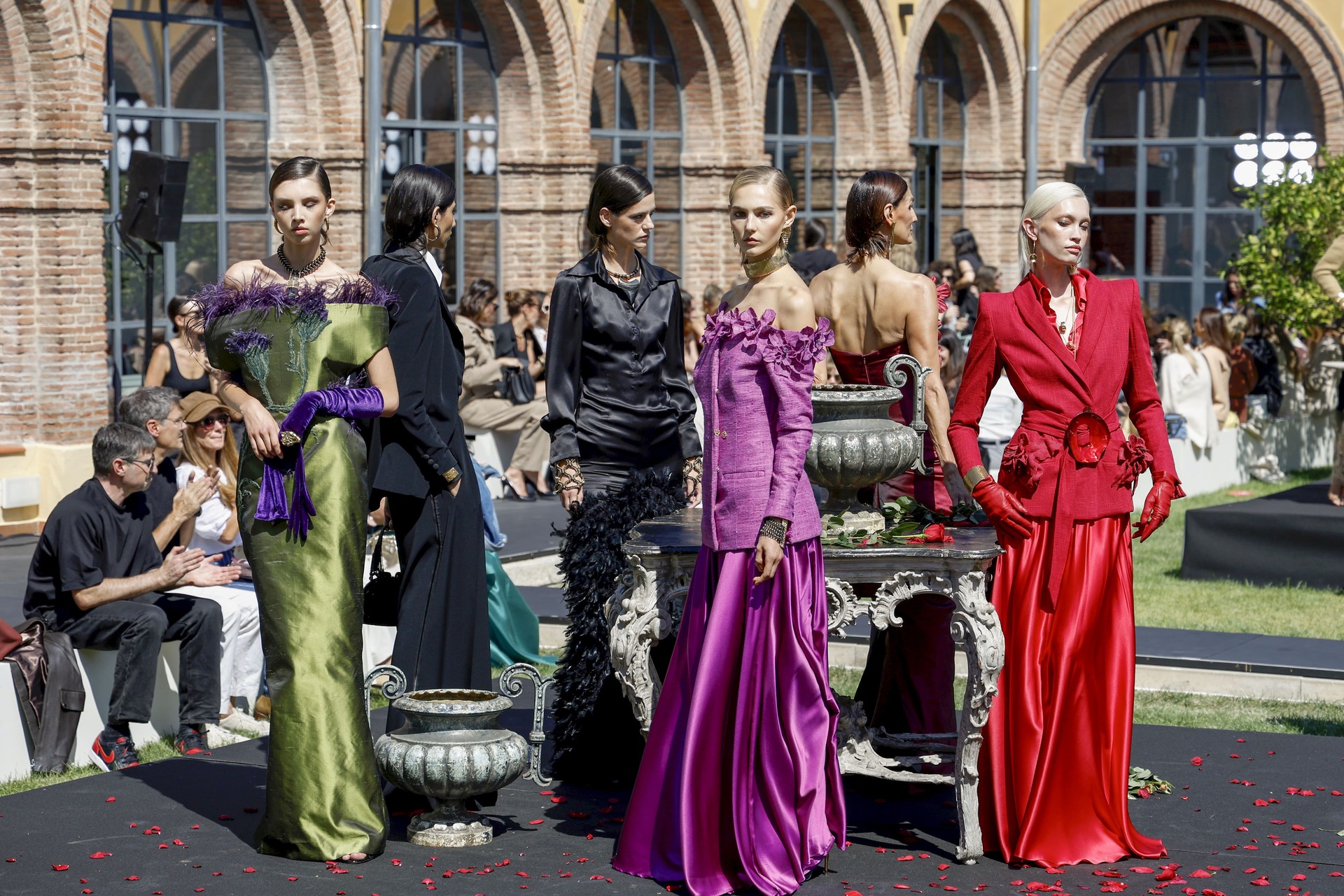
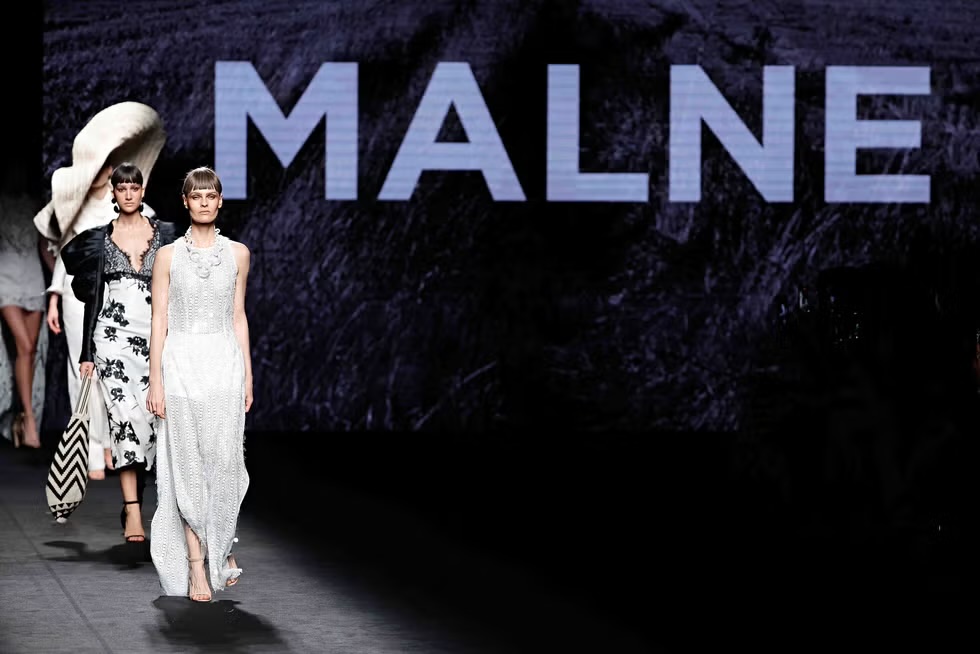
The Mercedes-Benz Fashion Week Madrid It has been consolidating the Spanish capital as a distinct voice on the European fashion map. Its strength lies in a unique balance between tradition and modernity, craftsmanship and experimentation. On Madrid's grand catwalk, established designers coexist with emerging generations, sharing the calendar, spaces, and media, making each edition a kind of barometer of the country's creative state.
In recent years, The Madrid fashion scene has delved deeper into a creativity closely linked to craftsmanship. Pattern making, handwork, fabric selection, and meticulous finishing are valued as much as the concept itself, so that the aesthetic discourse always stems from a solid material foundation. Added to this is a local identity Highly recognizable: references to Spanish culture, the light of the city, the festival and the popular character coexist with fully contemporary languages, capable of connecting with the international public without losing its own accent.
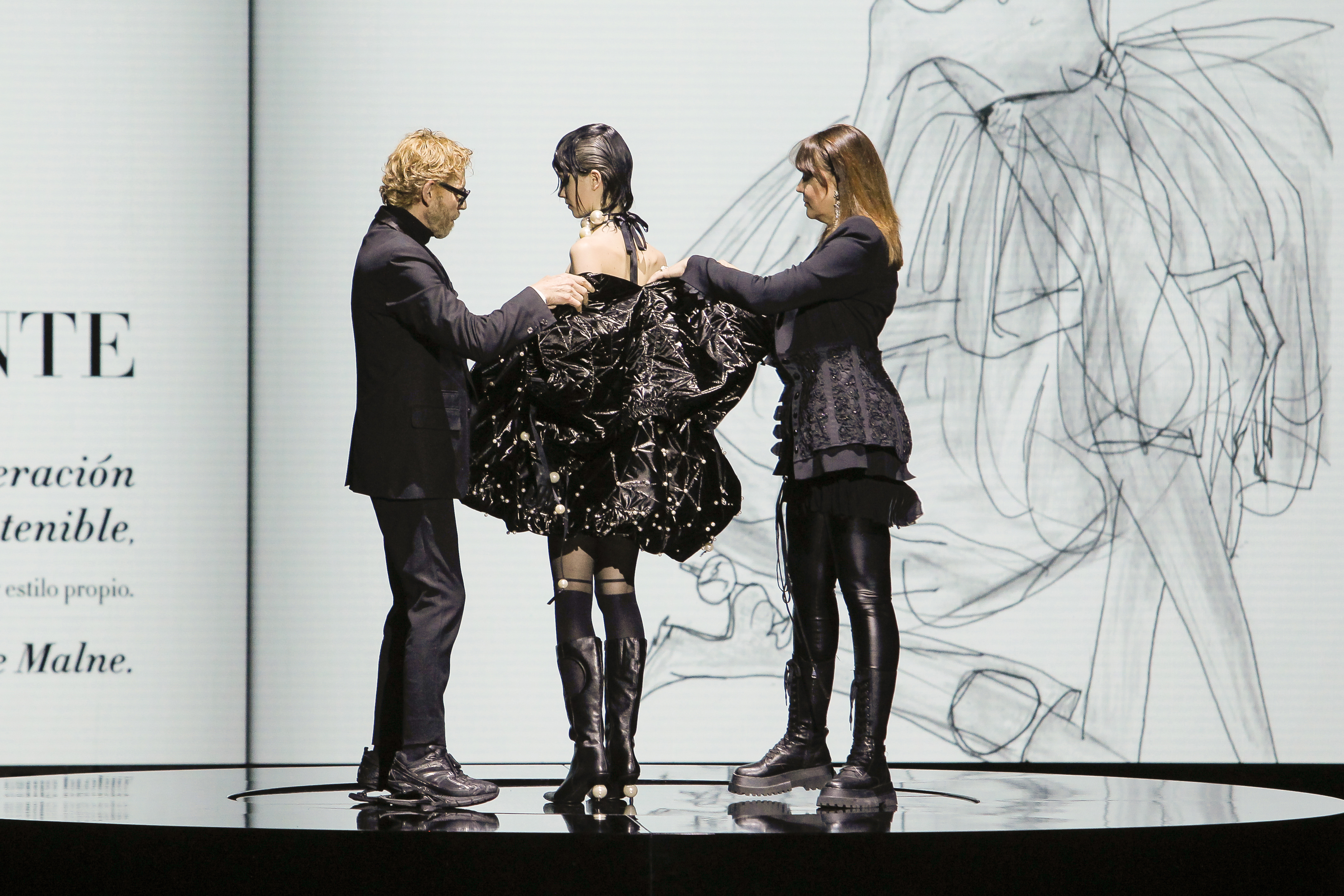
For many designer labels, this scene offers something especially valuable: the opportunity to showcase a demanding fashion, close to the workshop and open to the world, within a Fashion Week which still maintains a human scale, where the team sewing a piece can be present when it crosses the catwalk.
Three cities, three ways of choreographing fashion
Looking at these three capitals together, a clear map emerges of how each understands the relationship between catwalk, city, and profession. Paris conceives of the catwalk as a ritual, sustained by an institutional structure that protects haute couture and reinforces fashion as high culture. Paris Fashion Week It articulates fashion shows where conceptual innovation is supported by extreme artisanal luxury, capable of turning each look into a small aesthetic manifesto.
Milan, for its part, uses the Milan Fashion Week as a showcase of Made in Italy. The central theme is construction, fabric, the sensuality of everyday wear, and evening glamour. The collections reinforce the idea of a luxury linked to urban life, to wardrobe efficiency, and to an elegance perceived in both gesture and material.
Madrid envisions a catwalk as a platform for national creativity. Mercedes-Benz Fashion Week Madrid It brings together established voices and emerging artists who explore formats, genres, and materials, constantly bridging the gap between Spanish tradition and global artistic languages. The result is a vibrant, dynamic scene where identity is constructed from both heritage and contemporary experimentation.
This European triangle It offers any brand a triple mirror: the cultural theatricality of Paris, the tactile and pragmatic luxury of Milan, and the creative and open energy of Madrid invite us to ask ourselves what rhythm each designer identifies with and what type of catwalk best reflects their own way of understanding fashion.