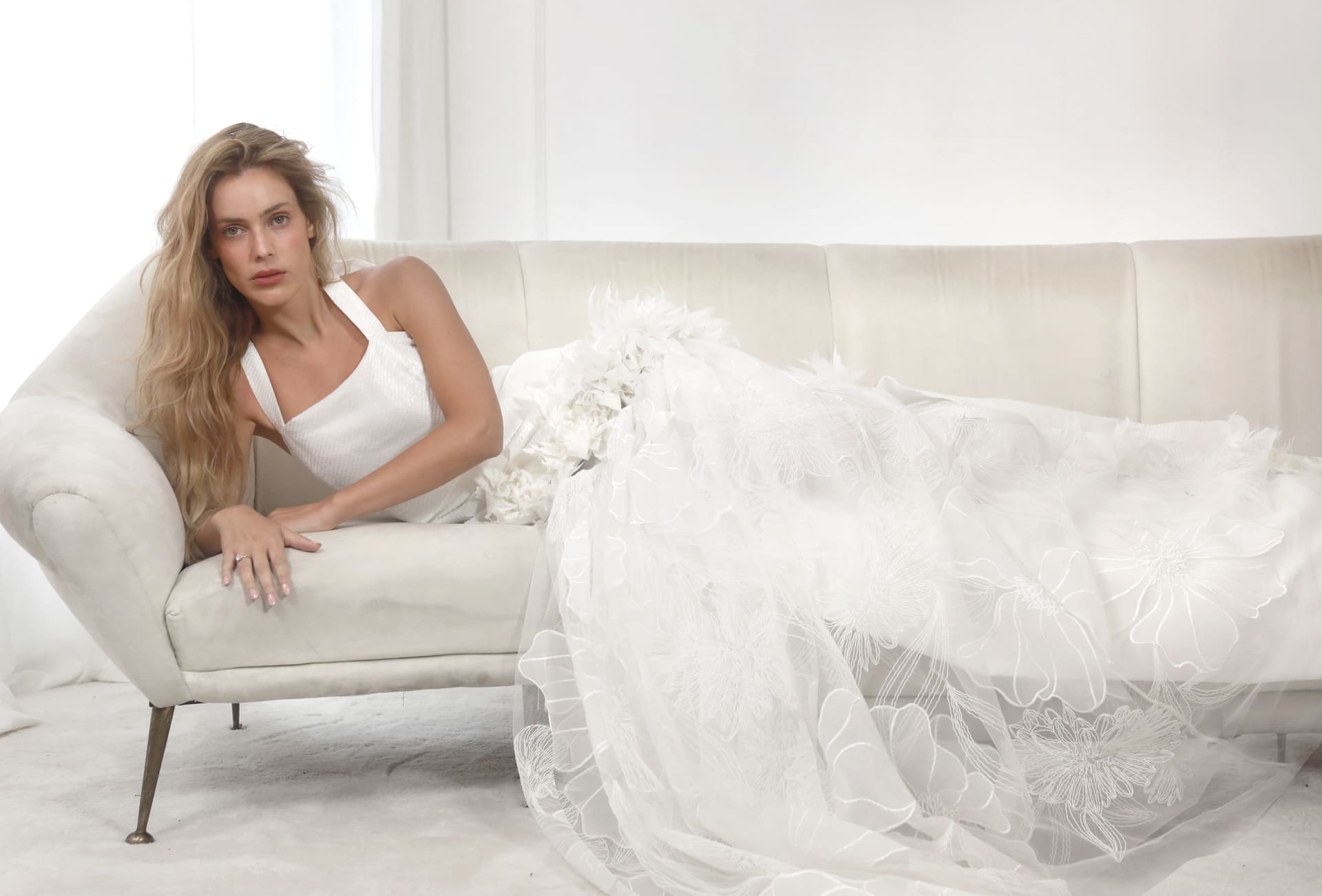
"The luxury of the future will not be to have more, but to choose better".
In an industry marked by urgency, accelerated seasonality and the logic of discarding, to talk about slow fashion is not just adopting a trend: it is taking sides. It is to demand a way of creating, producing and dressing that respects the times of the trade, the dignity of work and the beauty of what remains. At MALNE, we do not join the movement of the slow fashion as a reaction, but as a founding principle. Before the term was coined, we were already working in this way: in close proximity, without surpluses, taking care of each garment as if it were unique.
Slow fashion: when time becomes value
In the face of fast fashion - that which pursues collections every few weeks and ever-lower prices - the slow fashion proposes to stop. To observe. To choose. To design with meaning. In my experience as a designer, I have found that there is a public - hidden, demanding and emotionally connected with what they wear - that is looking for more than just clothes: they are looking for coherence, narrative, truth.
Slow fashion is not only ethical but also richer. It allows us to explore noble materials, artisan techniques, non-industrialised processes. It gives us back the link with what is handmade, with what takes hours of silent conversation between those who create and what is born from their hands.
Sustainable fashion: aesthetics with a conscience
Today more than ever, fashion must ask itself about its impact. Not only aesthetically, but also environmentally, socially and culturally. The sustainable fashion is not limited to using organic fabrics or green labels. It is an integral way of understanding clothing as a conscious act.
In this respect, the slow fashion is one of the most coherent paths to real sustainability. Because it involves:
- Local productionwhich reduces the carbon footprint and reactivates the artisanal fabric.
- Timeless designThe design, which does not respond to ephemeral whims, but to an elegance that does not expire.
- Responsible consumptionwhich encourages you to buy less, but better.
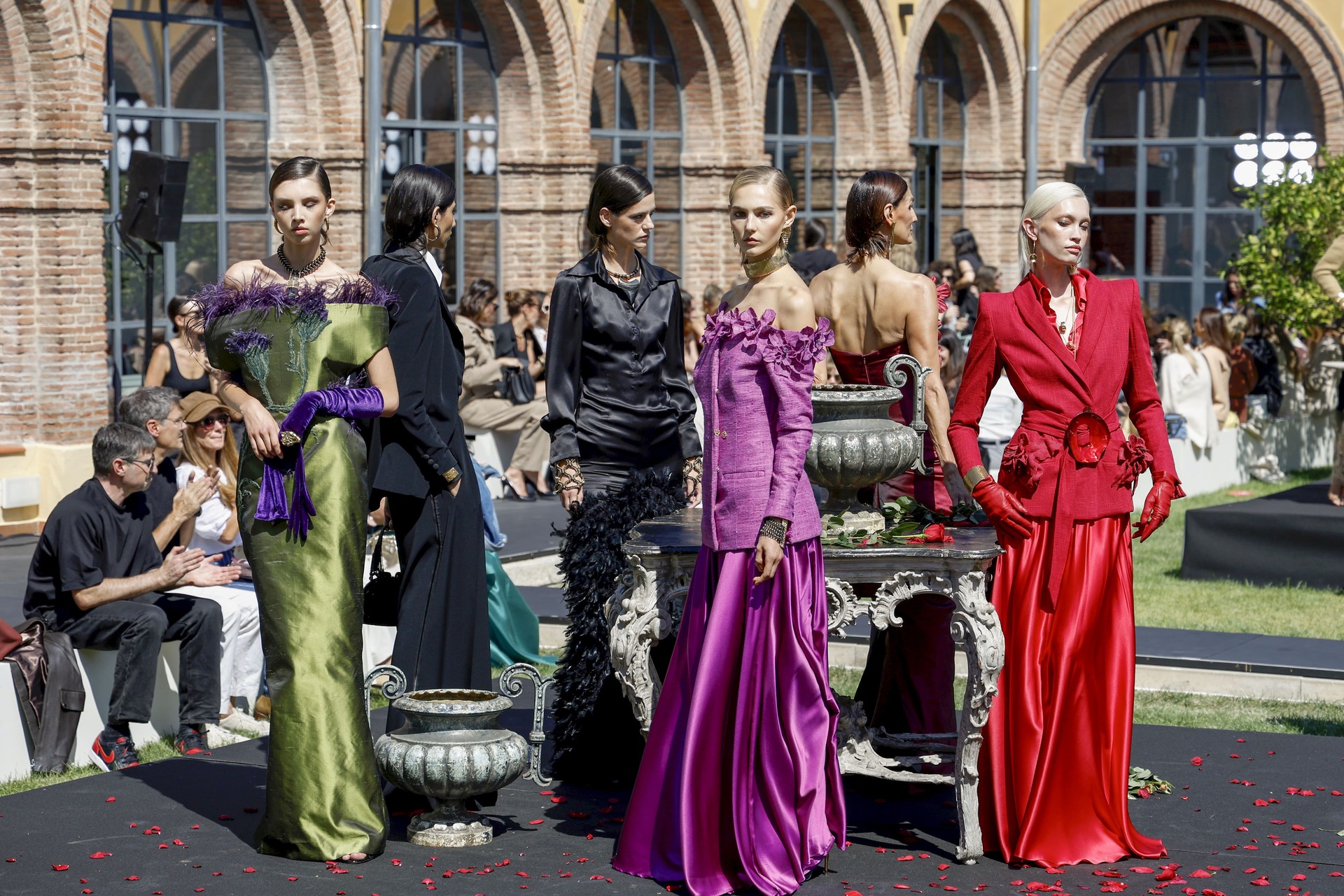
At MALNE, we have been committed to this philosophy from the outset. We do not manufacture more than we know makes sense. We do not outsource to countries with dubious working conditions. We do not feed the wheel of waste. Each garment is born from a purpose, from a look, from a conversation with the female body and its power.
Slow fashion brands: beyond the logo
The real brands of slow fashion they don't need to shout. They do not rely on million-dollar campaigns or on the cult of novelty. Their luxury is in the details, in the coherence of the process, in the fidelity to a way of creating that puts the soul before the commercial margin.
Today, fortunately, there are many houses that represent this movement in different parts of the world. But in Spain, there are still few of us who have been firmly committed to this path from the beginning. In our case, MALNE was not born as an adaptation to the fashion of the moment, but as a return to the essential: design with authorship, manufacture in proximity, deliver excellence without shortcuts.
To do it in Madrid, in our own atelier, with national craftsmen and without the need to create surpluses. pollutants is our way of being in the world. A silent, firm and deeply committed to the future of Spanish fashion.
Benefits of slow fashion: what you can't see, but feel
Beyond sustainability or the positive impact on the planet, the benefits of slow fashion are also personal. Those who opt for this philosophy discover:
- Garments that lastnot only for their quality, but also for their emotional value.
- A wardrobe that reflects identitynot accumulation, but style.
- The experience of dress as ritualnot as an automatic reflection of trends.
Over the years, many of our customers have told us something similar: "After wearing MALNE, I find it hard to go back to soulless clothes". And I think that's the key. The slow fashion reconnects fashion with its original power: to transform mood, presence, attitude.
The story of sustainable fashion pioneers: when dressing was an act of conscience
Talking about the movement slow fashion is also to pay tribute to those who knew how to look beyond the logic of the market. Long before sustainability became a commercial claim or the words "ethics" and "fashion" shared headlines, there were designers and creators who understood that dressing could be a political act, a conscious choice, a form of respect.
The origin: counterculture and textile awareness
In the the 1960s and 1970sWhen countercultural movements began to challenge the codes of consumerism, signs of what we now understand as slow fashion. The hippie universe, with its appreciation for natural fabrics and handmade garments, placed value on the return to the essential. Punk, on the other hand, irreverently recycled the old to give it a new meaning: the upcycling as a form of aesthetic resistance.
The first names: design with ethics
It was in the 1980s and 1990s when true pioneers of sustainable design began to establish themselves. Eileen Fisher founded a firm that prioritised organic materials and timeless lines. Katharine Hamnett turned her T-shirts with political messages into a platform for textile denunciation. Both marked a path that still inspires today.
Brands such as Patagonia or Esprit started to review their own industrial processes: transparency, environmental responsibility, controlled production. There was still no talk of slow fashionbut his spirit was already firmly woven.
The new wave: upcycling, territory and trade
Orsola de Castro, the driving force behind the movement Fashion Revolutionand Natalie Chanin, from her workshop in Alabama, represented a new generation of designers who were committed to recovering techniques, making processes visible and making clothing a cultural exercise.
Designers like Paul Harnden, discreet and almost invisible in the media, demonstrate that fidelity to a timeless aesthetic and a handcrafted process can have a profound effect on those who dress sensitively.
A path that continues: the MALNE experience
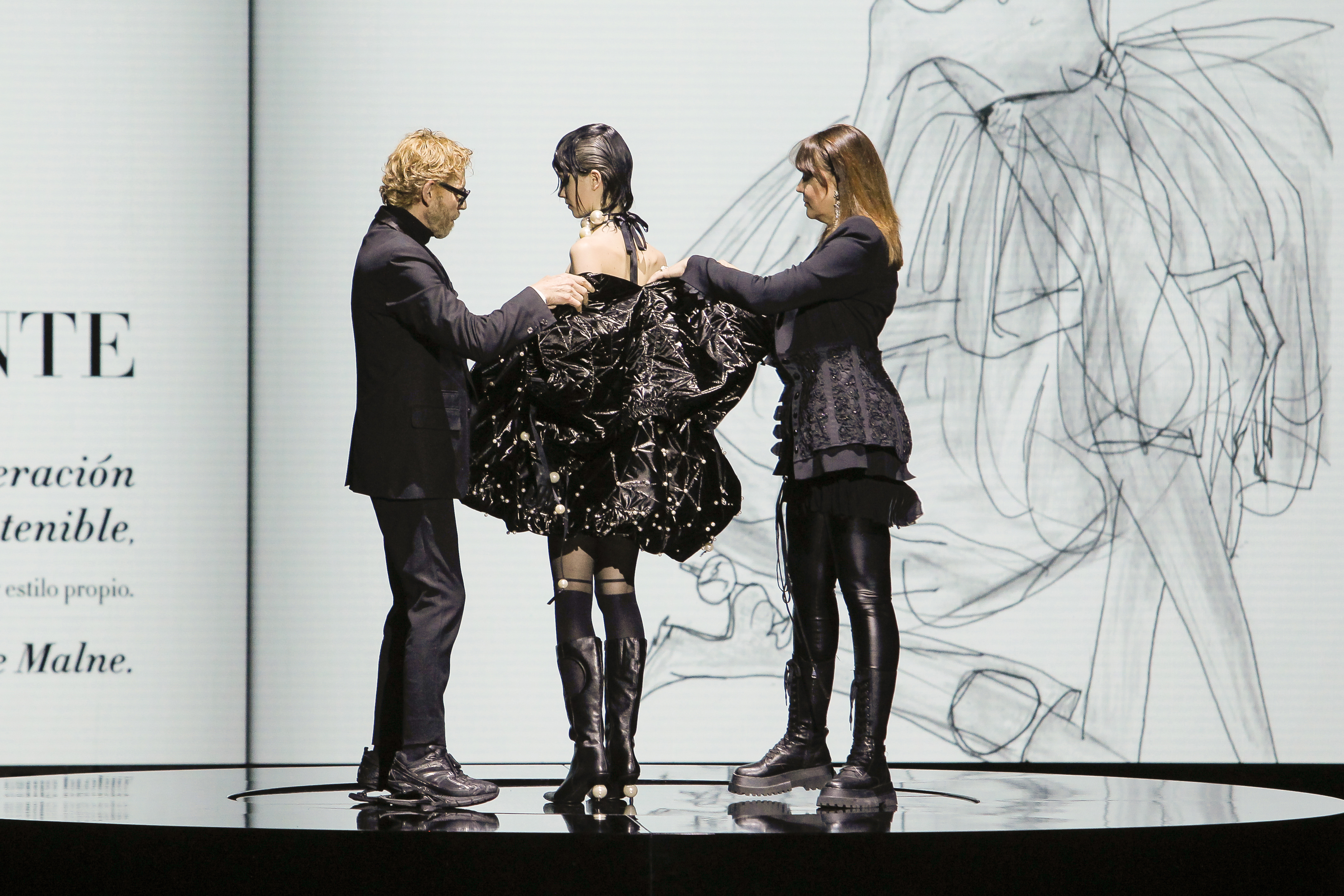
At MALNE, we feel affinity and respect for these figures. We share their vision. We also choose slow time, close production and loyalty to our craft. Our decision to manufacture in Madrid, with national craftsmen and without the need to create polluting surpluses, is not a concession to the fashion of the moment. It is a stance. A gesture. A commitment that we made from day one.
In conclusion: dress with soul, create with purpose.
The slow fashion it is not a label: it is an ethic. It is to choose, every day, to do things differently. To opt for beauty that does not shout, for fashion that does not go out of fashion, for a garment that is not thrown away but kept.
In a world where everything is accelerating, there is something miraculous about fashion that stands still. And also of luxury, in the deepest sense of the term: the luxury of connecting with authenticity.
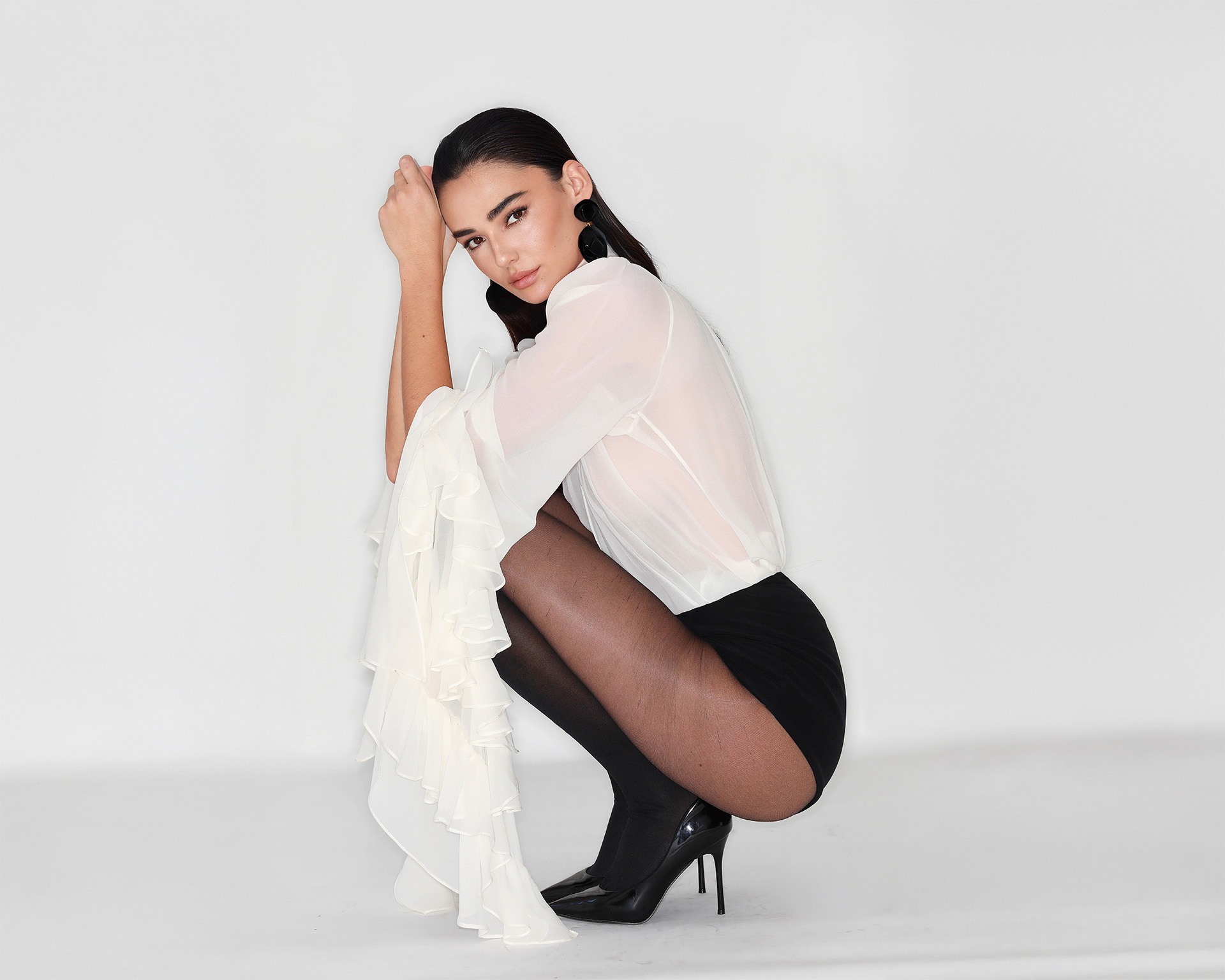
From MALNE, we will continue to walk in that direction. True to our values. Accompanying women who are not looking for clothes, but for personal expression. Because dressing can still be an act of creation.