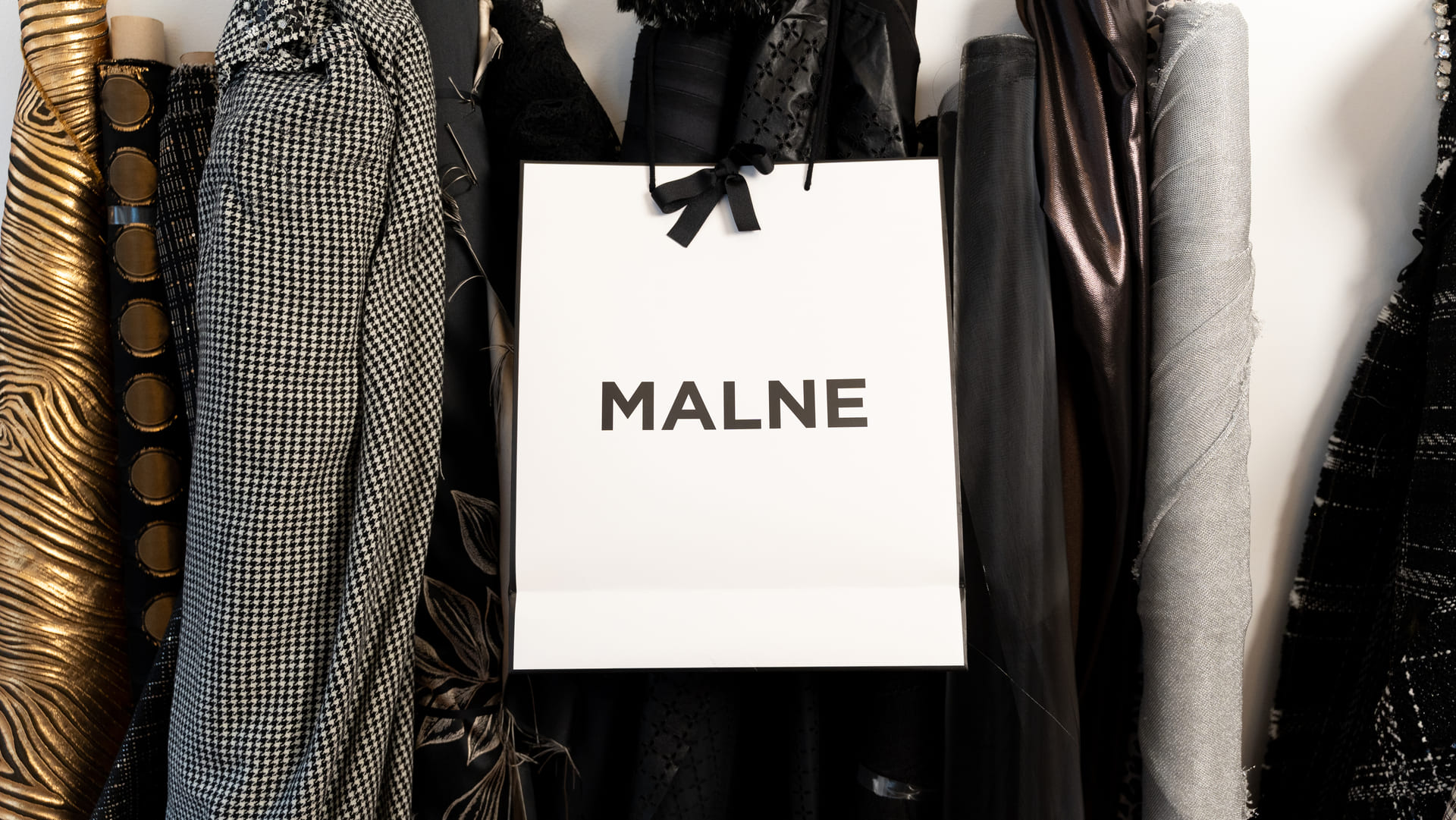
"A dress comes into existence long before the first stitch: it is born in the choice of its fabric".
When designing a dress, the pattern is the blueprint, but the fabric is the architecture. Making the right choice between the different clothing fabrics is not a secondary or purely aesthetic question: it is the decision that determines how the garment will drape, how it will move with the body and what emotion it will convey when worn. The same cut can be ethereal or emphatic, delicate or sculptural, depending on the clothing materials that make it possible.
Knowing the types of clothing fabrics is, therefore, the first step to understanding why some dresses work - and others do not. Each fabric has its own character, a way of dialoguing with the silhouette and a specific behaviour in relation to movement, light and time.
The architecture of dress: when fabric defines form
The relationship between design and fabric is absolute. There is no such thing as an ideal dress without a conscious choice of the fabric for dresses. Flowing fabrics accompany the body and envelop it; structured fabrics sculpt and support it. Understanding this dependency avoids frustration and allows the design to reach its fullest expression.
A crepe does not respond in the same way as a mikado. A chiffon does not build the same as a taffeta. The beauty of the dress emerges when cut and fabric understand each other.
Flowing fabrics: movement, lightness and naturalness
Flowing fabrics are those that drape softly and follow the gesture. They work especially well in crossover dresses, empire cuts or relaxed silhouettes.
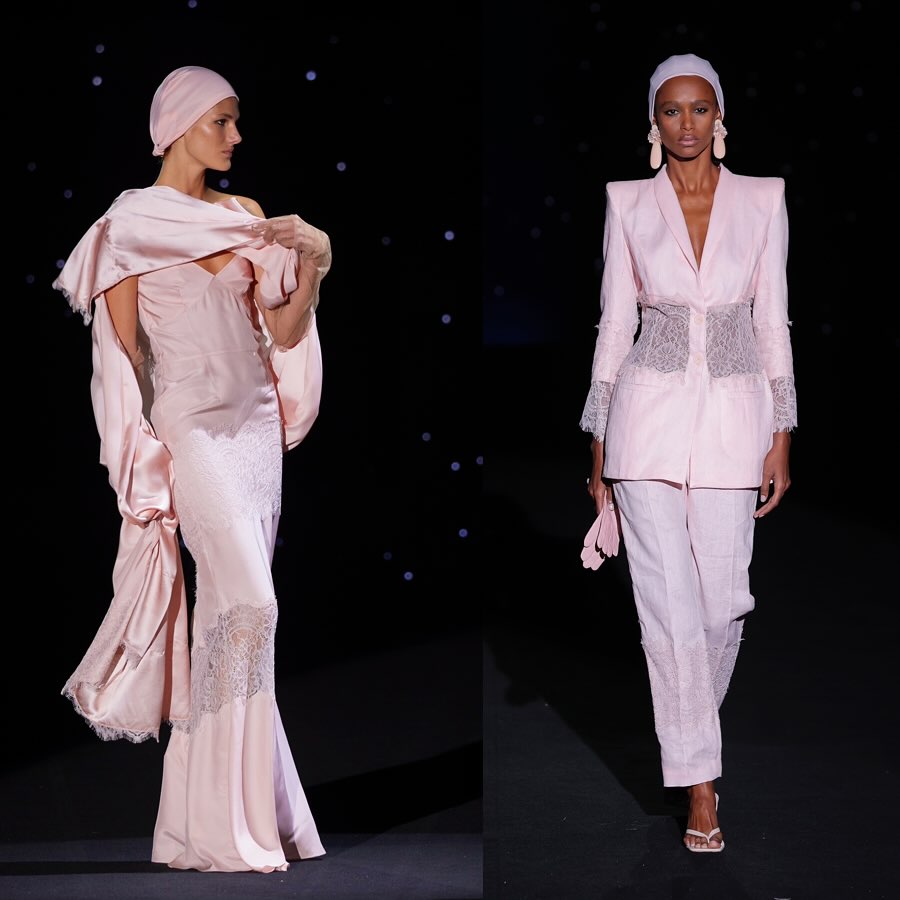
The silk is the noble material par excellence: shiny without excess, breathable and with an organic drape that adapts elegantly to the body. Its ability to regulate temperature makes it an ally both in hot weather and at long events.
The gauze (chiffon) provides lightness and transparency. It is ideal for layering, flowing skirts or dresses with movement. They usually require lining for stability, but their visual effect is unmistakable.
The crepes and viscose -such as cupro or tencel - offer a heavier fluidity, perfect for subtle draping and silhouettes that seek definition without stiffness.
Structured fabrics: volume, presence and definition
When the aim is to build shape, structured fabrics become essential. They are the great allies of wide skirts, princess cuts or dresses with an architectural vocation.
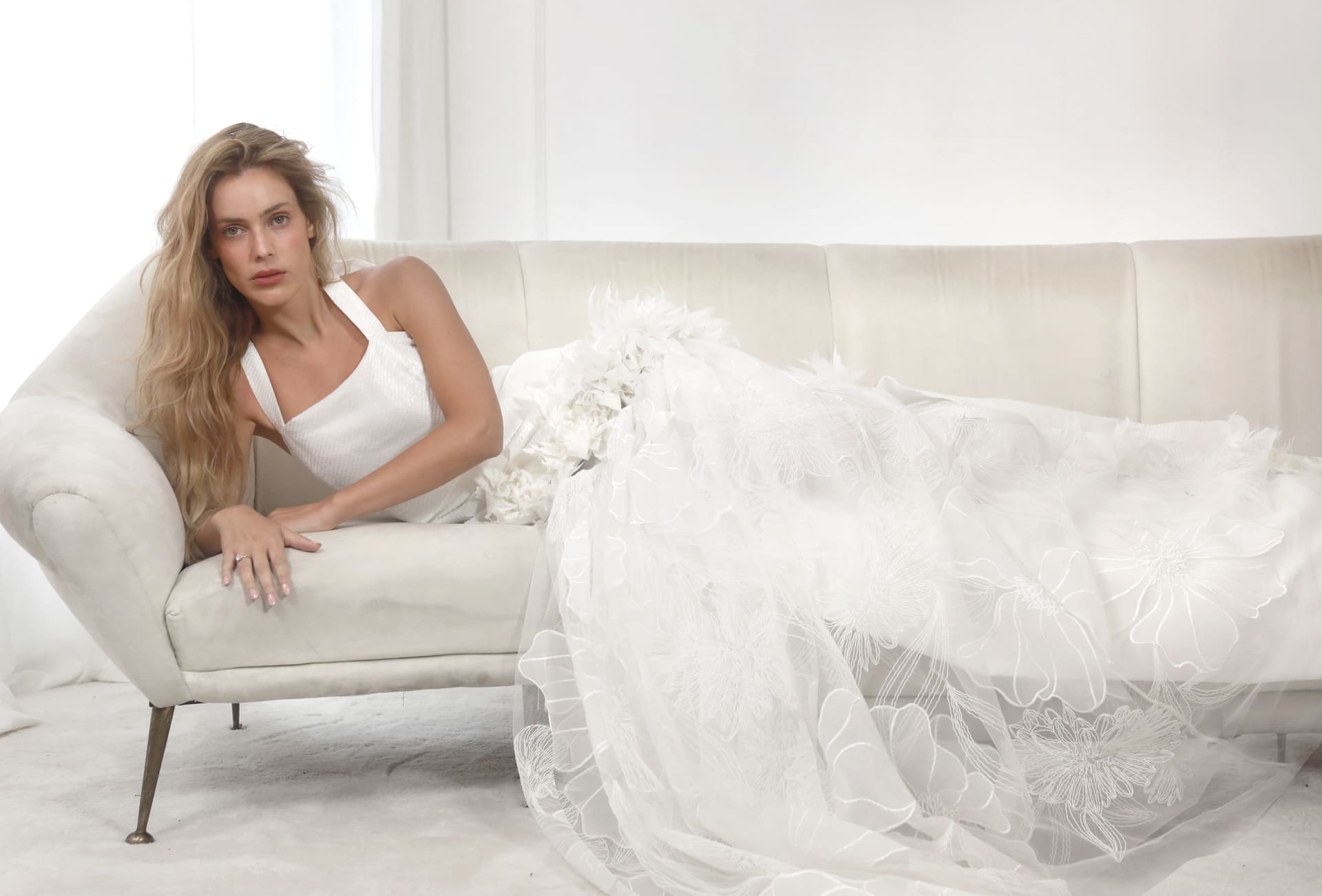
The mikado is a full-bodied, firm and sophisticated silk. It allows to create defined volumes and clean lines, being a common choice for gala and bridal gowns.
The organzalight but stiff, it creates volume without weight. It is ideal for flounces, layers and sculptural structures that need air and definition.
The taffetaThe more opaque, more opaque and with its characteristic sound when moving, it supports flared skirts and brings a classic elegance with character.
The velvetThe dense, deep, dense fabric introduces an immediate presence. It is a fabric that wraps, envelops and provides a special visual richness, especially in cold months and intense tones.
Understanding textiles: technical keys that make a difference
Knowing the types of fabrics It also involves understanding concepts that are often confusing.
The satin and the satin are not fibres, but weaving techniques. Sateen is usually associated with treated cotton with a silky finish; satin, traditionally silk, is nowadays mostly produced in synthetic fibres. The difference is noticeable to the touch: real silk feels warm to the hand, while synthetics remain cold and more slippery.
The weight of the fabric (grammage) also influences the result:
- Lightweight fabrics: chiffon and batik, ideal for layering and summer dresses.
- Medium weight: crepes, cottons or linens, versatile and balanced.
- Heavy fabrics: velvets, brocades and wools, perfect for winter and structure.
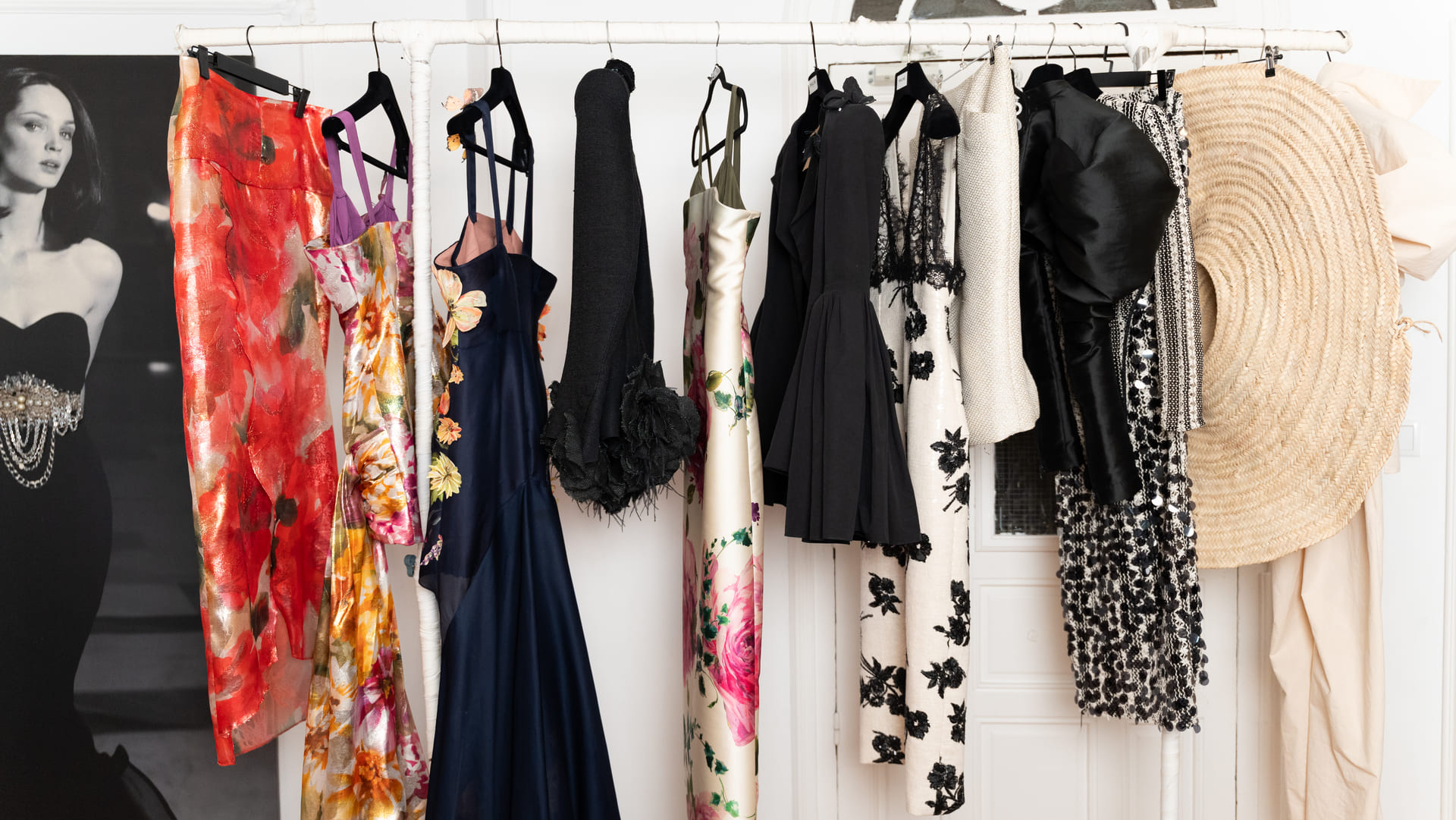
Textures and details: when fabric becomes language
Beyond the base, some fabrics provide a decisive ornamental value.
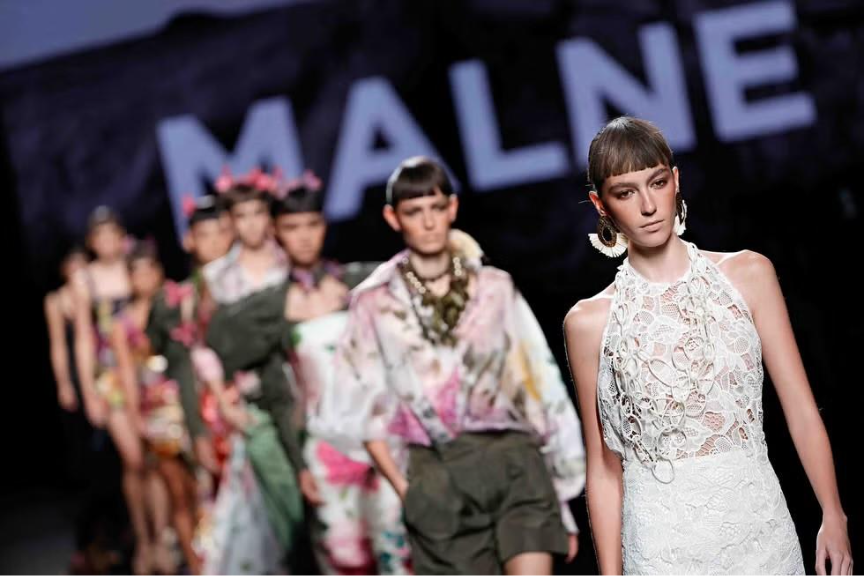
The lace introduces romanticism and detail, either as a protagonist or on sleeves and necklines. The tulle creates ethereal volume and delicate transparencies. The brocades and jacquardswith patterns woven into the structure itself, provide visual richness and depth without the need for printing.
How to choose the right fabric: an essential guide
Choosing the right fabric for dresses involves attention to several key factors:
- Season: lightness for spring-summer, density for autumn-winter
- Type of event: silk, satin or velvet for the evening; gauze and lace for the daytime
- Comfort: natural, breathable fibres for long-lasting garments
Looking to the future: textiles and consciousness
Looking ahead to 2026 reinforces a clear trendNatural, sustainable and long-lasting materials. Fabrics are no longer chosen only for their immediate beauty, but for their ability to accompany the body and time. Honest textures, noble fibres and a more conscious relationship with materials define the future of clothing.
Choosing a fabric is choosing how to tell the story of the dress. Because, as in all well-thought-out architecture, if the foundation is right, the form will stand on its own.