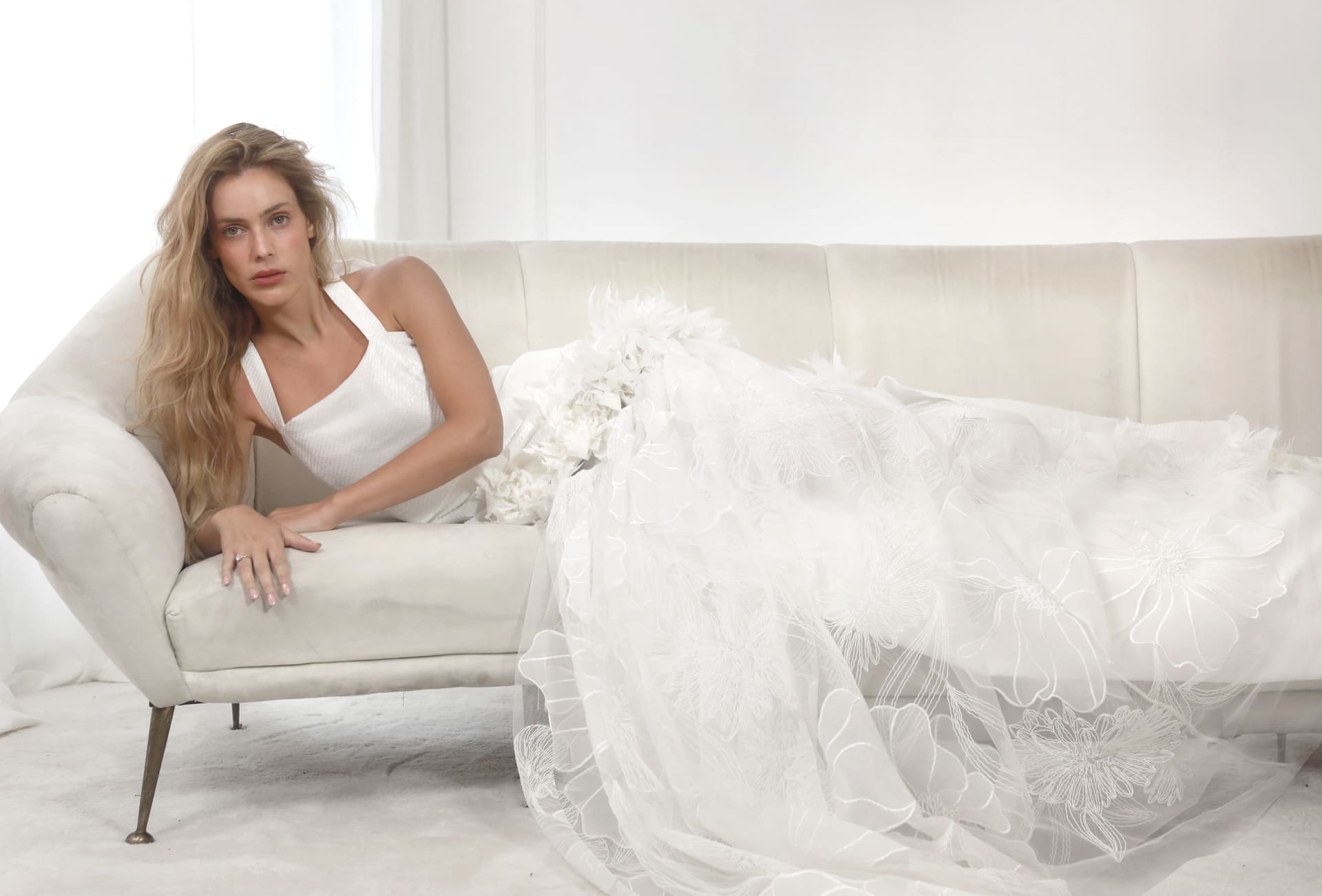

«"Choosing silk is choosing feel, drape, and a more conscious way of dressing."»
The silk It's recognized by touch before sight. It has a very particular way of draped on the body, reflecting light and moving with it. In fashion, few materials convey the idea of a meticulously crafted garment so clearly.
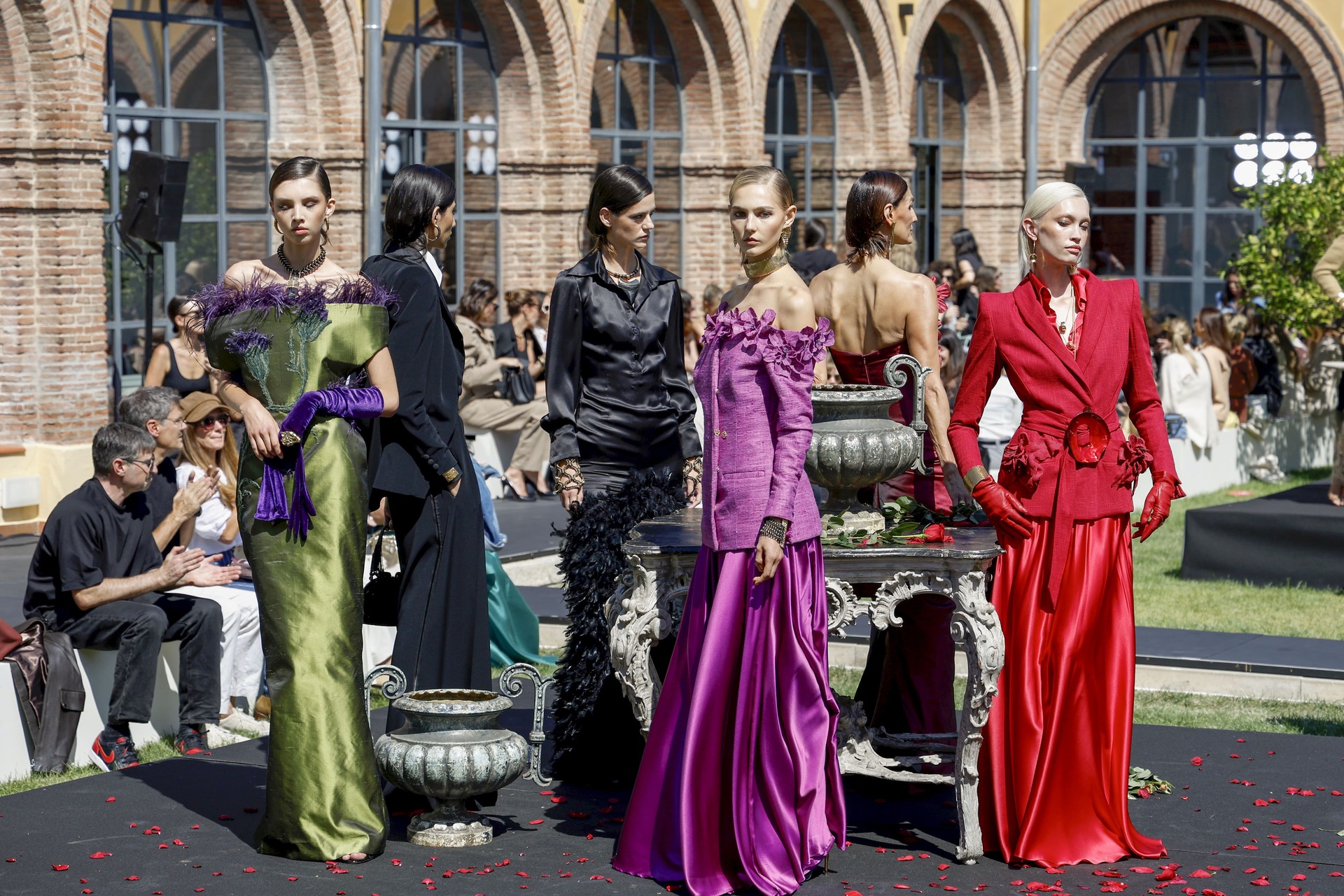
At Malne we understand it as a noble material that demands craft, pattern and gaze. It can be lightweight, structured, shiny, matte, transparent, or enveloping. It all depends on the type of fabric, the cut, and the intended effect.
Where does silk come from?
The silk It traditionally comes from the cocoon of the silkworm, especially the Bombyx mori, The silkworm is the domesticated worm most associated with the commercial production of this fiber. The process begins in sericulture: the breeding of the worm, the formation of the cocoon, and the extraction of a continuous filament that is then spun and transformed into fabric.
Its history is linked to Asia, and especially to China, where silk became a material of cultural, commercial, and aesthetic value. This origin explains part of its prestige, although its true interest for fashion lies in what it allows us to create: soft, durable, lightweight garments with a drape that is difficult to imitate.
Types of silk most common in women's fashion
Talking about silk While single silks are convenient, a silk atelier offers many possibilities. Each one behaves differently, and it's best to choose it according to the garment, its use, and the desired effect.
- Silk satinBright, flowing, and elegant. Widely used in evening gowns and bridal pieces.
- Crepe de chineMore matte, lightweight, and versatile. Works great on blouses and dresses.
- Silk organza: transparent and full-bodied. Ideal for sleeves, volumes and peplums.
- Silk Georgette: airy, textured and flowing. Perfect for layering and fluid garments.
- Silk tulleDelicate, light, and transparent. Very common in bridal fashion.
- Silk taffeta: more structured, with presence and volume.
The choice of fabric completely changes the result. The same design can become more understated, brighter, or more ethereal depending on the silk chosen.
What makes silk special
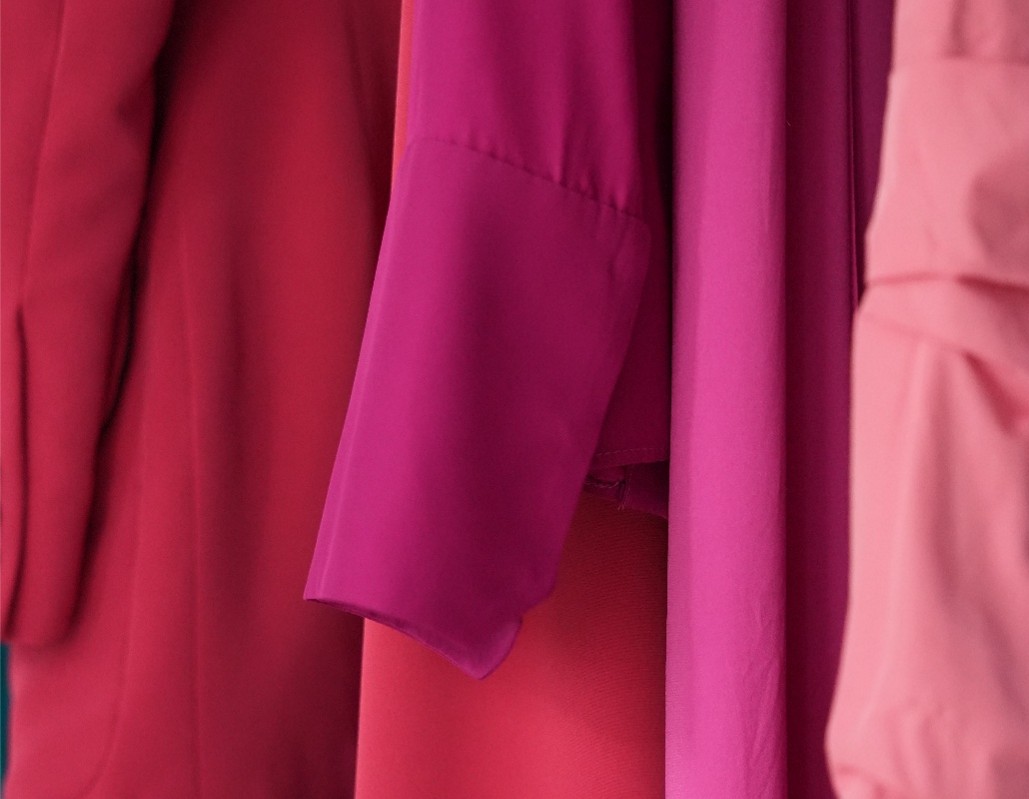
The silk It possesses very specific qualities that explain its enduring presence in luxury fashion: a soft feel, natural sheen, lightness, durability, and a way of catching the light that is particularly flattering. It also stands out for its continuous filament weave, one of the reasons why it can be transformed into such fine and fluid fabrics.
In a well-constructed garment, silk drapes naturally with the body. It doesn't behave like stiff cotton or warm wool. Its virtue lies in its balance: it lends movement, delicacy, and an elegance that is noticeable when walking, sitting, or raising an arm.
How to tell if a silk garment is of good quality
A good garment of silk It's in the details. The fabric matters, of course, but so do the pattern, the cut, the seams, and how the garment fits the body.
It is worth paying attention to:
- Composition: pure silk, blend or wild silk.
- Weight: silk that is too fine can be fragile for certain garments.
- TransparencyIt must be sought out and well resolved.
- Interior seams: clean, soft and without stiffness.
- DropThe tissue should move without undue stress.
- ColorSilk reflects light and can change a lot on the skin.
In haute couture, the inside matters as much as the outside. A poorly chosen hem, seam, or lining can ruin even the most beautiful fabric.
What garments can be made from silk?
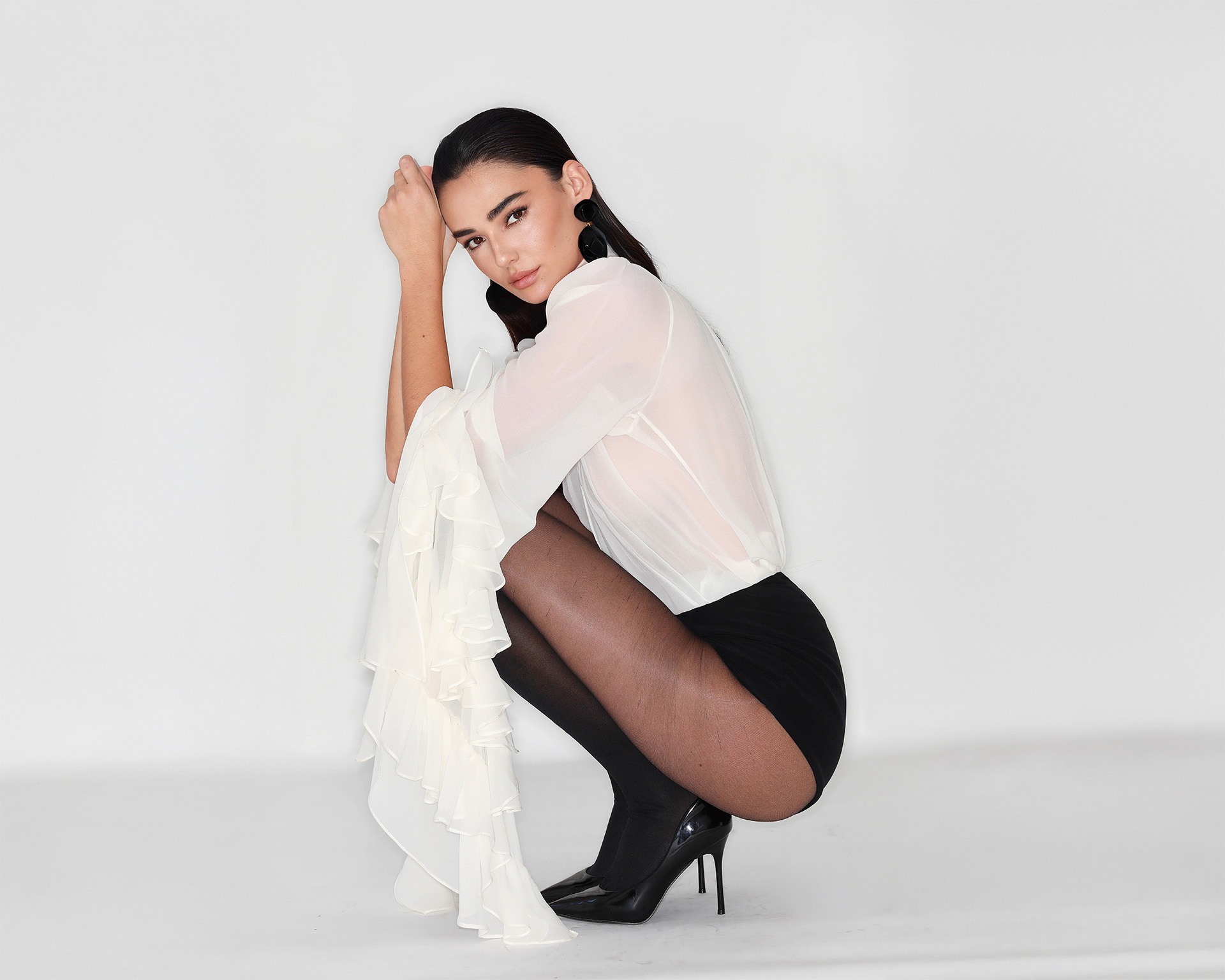
The silk It allows you to create very different garments depending on the fabric, weight, and pattern. It can appear in a silk shirt, a blouse with a bow, some silk trousers with a flowing drape, a midi skirt, a lace top, an evening dress or a bridal piece crafted in satin, crepe, organza or tulle.
It also plays an essential role in the silk linings of high-end jackets, coats, and dresses. There, luxury is perceived by wearing the garment, even while it remains under the garment. In accessories, it holds a privileged place in scarves, shawls, kimonos, and light robes, where its relationship with color, gesture, and skin becomes especially visible.
Each use demands a different approach. A shirt needs stability in the collar and cuffs; trousers require proportion in the waist and hips; a dress depends on its drape; a bridal piece needs absolute precision in fabric, pattern, and finishes.
Silk tulle in bridal fashion
The silk tulle It deserves its own place for its delicate nature. It is used in veils, sleeves, overskirts, capes, and sheer details, especially when a light and enveloping feel is desired. Its beauty lies in the way it allows light to pass through and creates volume without adding visual weight.
In bridal fashion, it offers transparency, movement, and a very refined base for embroidery or appliqués. Working with it requires an expert hand: every seam is visible, every edge matters, and every detail must respect the fabric's balance.
When to choose silk
The silk It's a great choice when you're looking for a special, comfortable, and flattering garment. It works especially well in guest dresses, elegant blouses, flowing trousers, evening tops, bridal wear, scarves, and drapey summer pieces.
For daytime, a silk shirt or blouse effortlessly elevates any wardrobe. For special occasions, silk dresses and skirts add movement and radiance. For brides, silk allows for a wide range of designs, from clean lines to delicate veils and volumes.
Discover our designer silk pieces and find a garment created to complement your way of being, moving, and dressing.
How to care for silk
The care required depends on the individual piece. A silk scarf, a simple blouse, an evening gown, or a bridal gown don't all require the same attention. As a general rule, lined, embroidered, structured, or high-value items should be entrusted to professional cleaning.
At home, silk appreciates simple care: air it out after use, avoid direct sunlight, don't apply perfume to the fabric, and store each garment with enough space. If the label allows hand washing, use cold water, mild soap, and do not wring. Its beauty can last for years when cared for gently and thoughtfully.
Why silk remains high fashion
The silk It continues to occupy a central place in high fashion because it unites beauty, technique, and experience. It can be felt on the skin, seen in movement, and recognized in the drape.
At Malne, we approach it from an atelier perspective: selecting the right fabric, understanding what each body needs, and giving each garment the time it requires. A silk shirt, silk trousers, a dress, a skirt, silk tulle, or a lining can express luxury when designed with talent, proportion, and savoir faire.