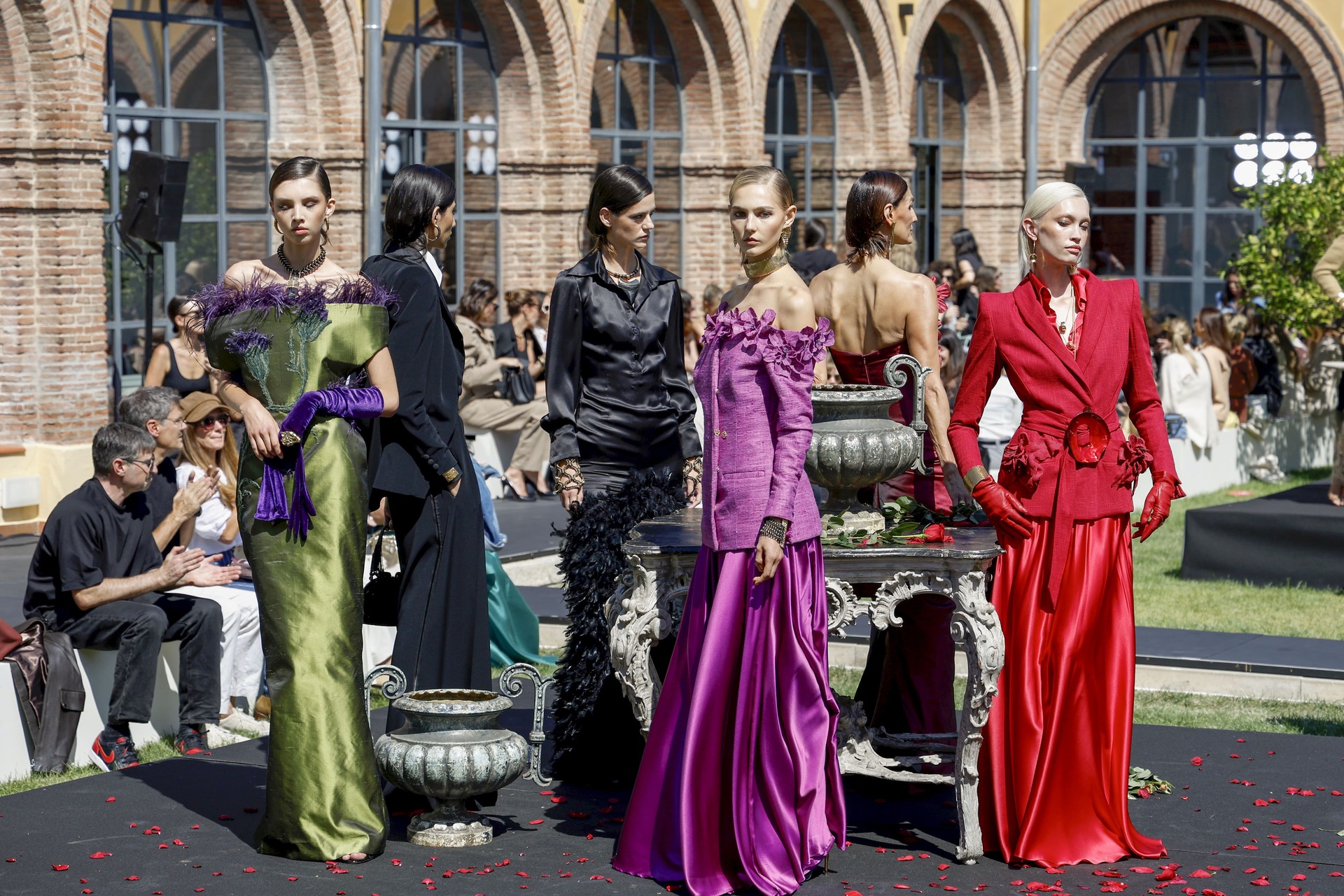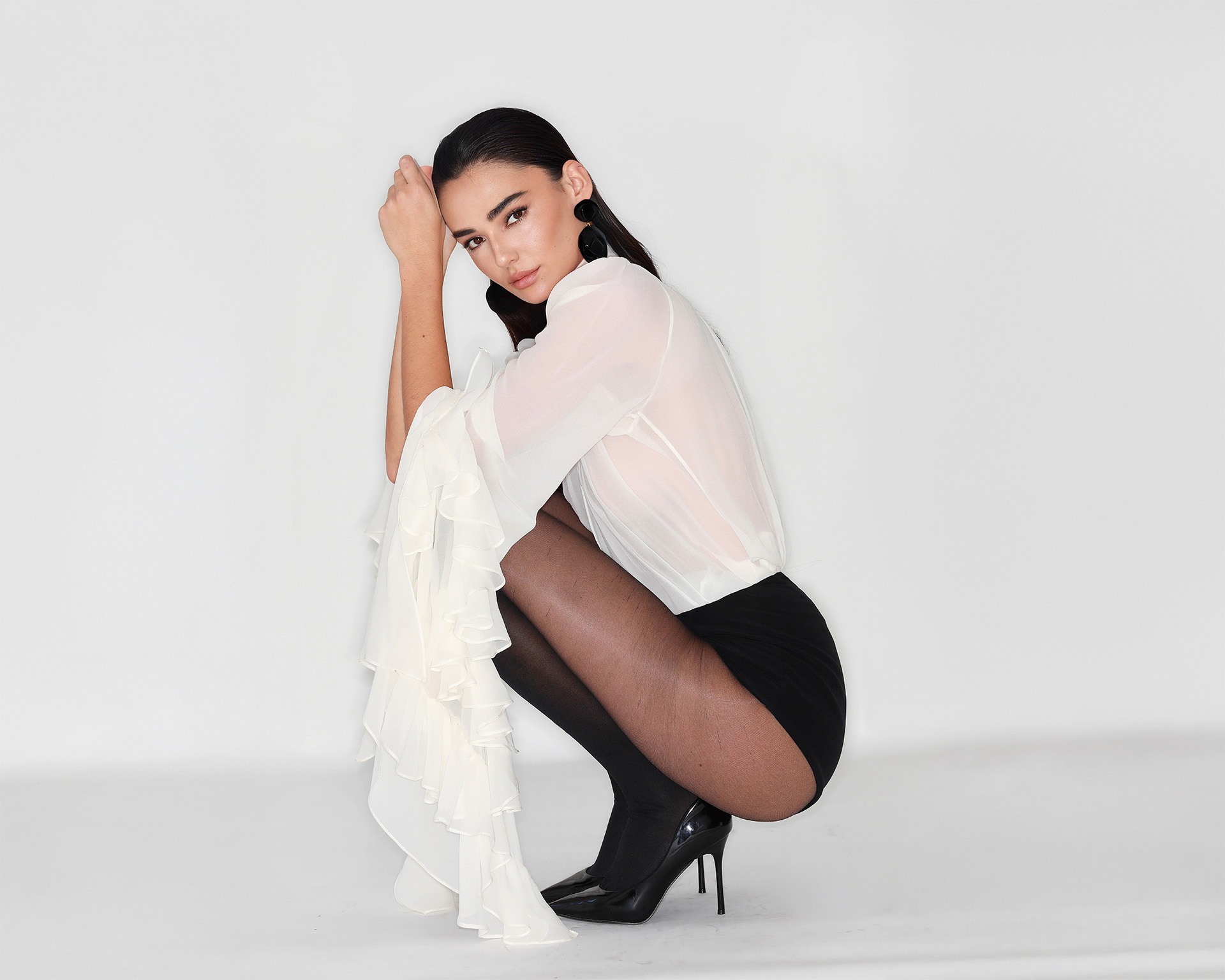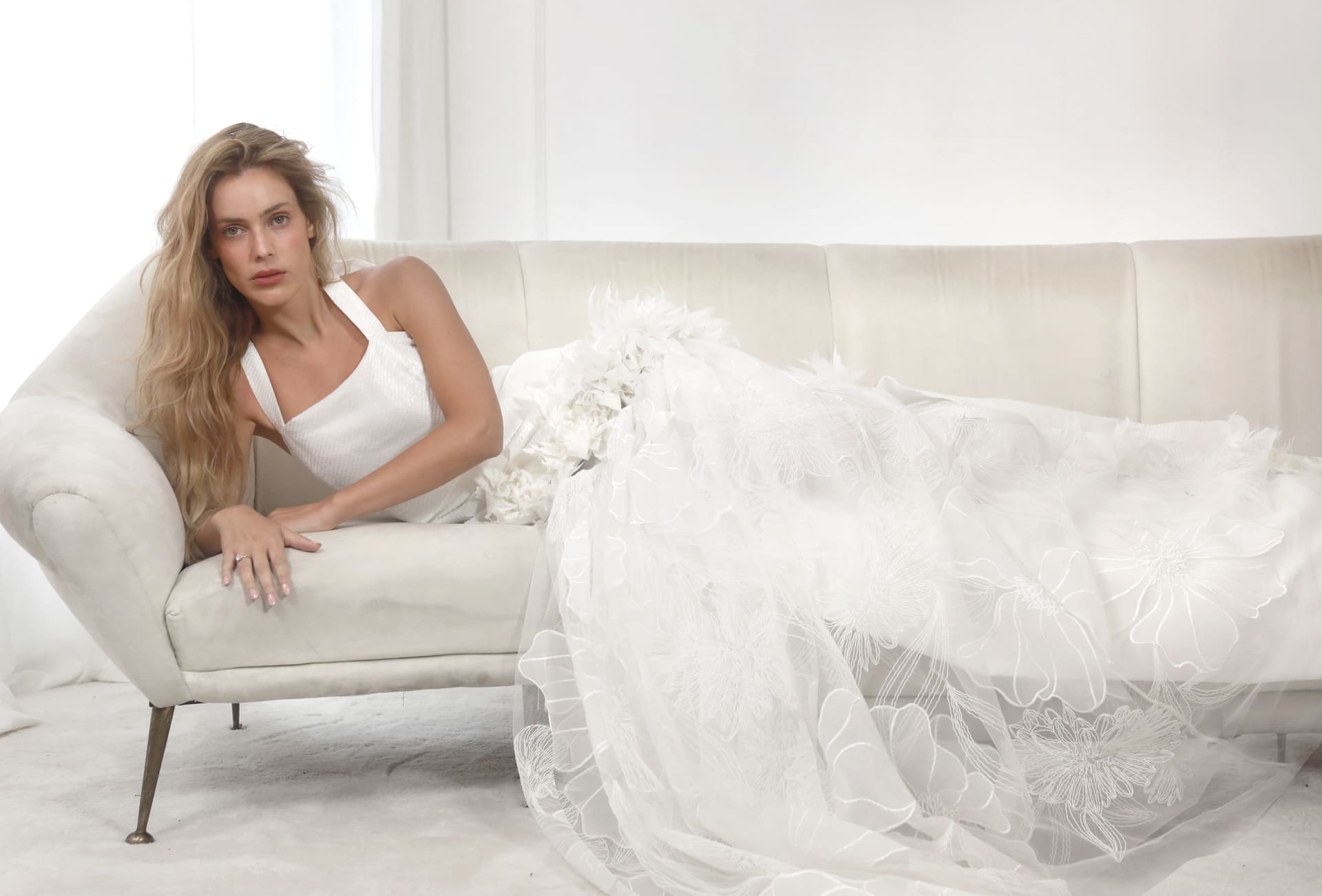

In the women's fashion, A garment not only defines an appearance: it also transforms the way the body moves and expresses itself. The relationship between clothing and gesture is deeper than it seems. From the way we walk to the way we sit or hold our backs, the fashion design It has the ability to modify the physical presence of the person wearing it.
Great designers have always understood this almost choreographic dimension of clothing. Fashion, in that sense, not only dresses: it also educates the body.
The silhouette as a language of the body
Every garment suggests a way of inhabiting space. A structured jacket encourages you to keep your back straight; a flowing dress creates a lighter gait; a well-defined waist alters the body's balance as you move.
The silhouette It functions like a silent language. Even before perceiving a color or a fabric, the eye recognizes proportions. These proportions determine how the body is visually organized and how the wearer's presence is perceived.
Historically, fashion has constantly explored the relationship between clothing and posture. In the 1950s, Christian Dior She redefined the female silhouette with the celebrated New Look, creating a defined waist and a full skirt that completely transformed the way one walked. Decades later, designers like Yves Saint Laurent They introduced more fluid structures that allowed for a different kind of freedom of movement.
Each era, in reality, proposes a new way of being.
Clothing design and movement awareness
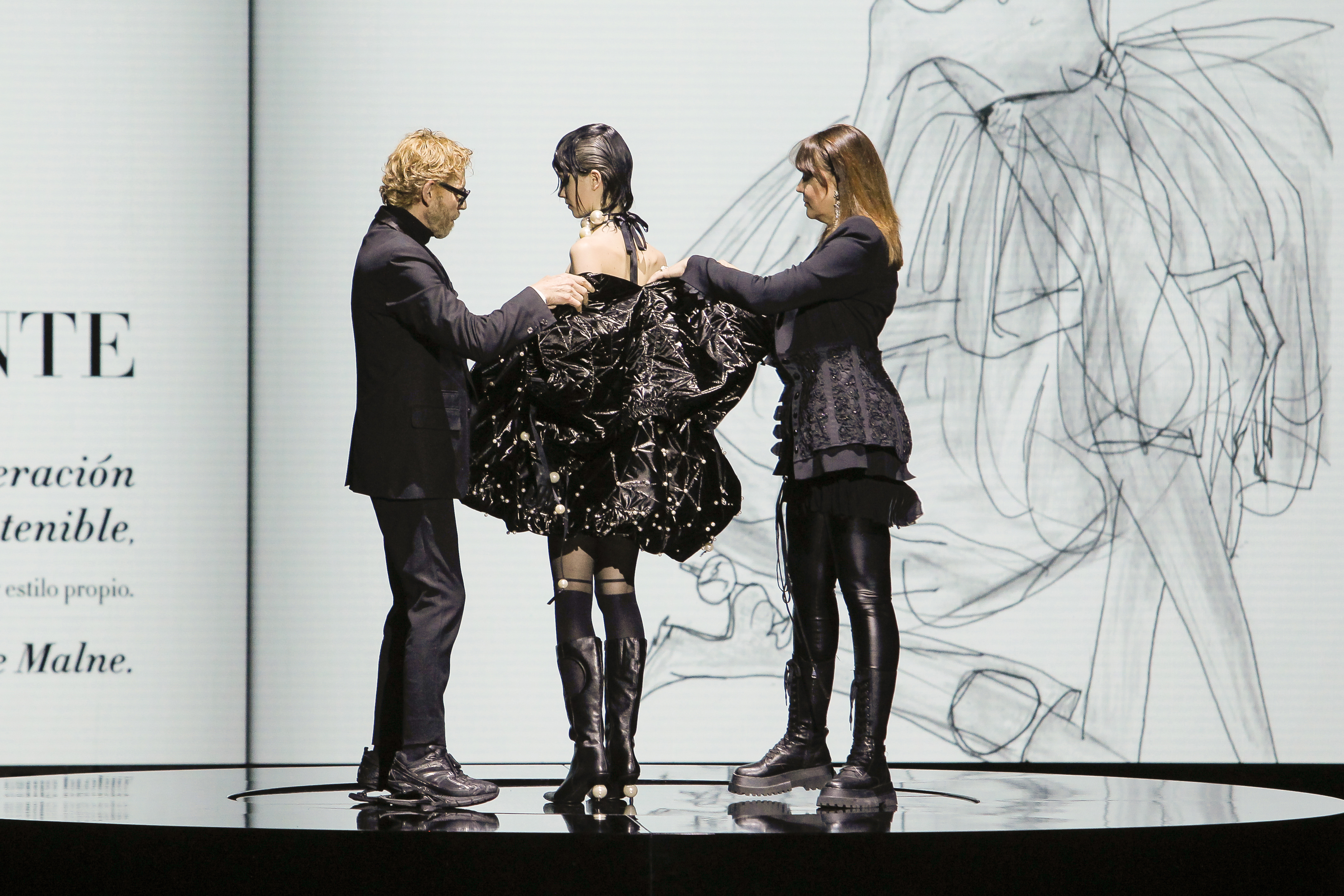
The clothing design Truly sophisticated clothing always takes into account how the body behaves. A well-constructed pattern is not only visually flattering; it also complements everyday movements.
In that balance between structure and comfort, some of the following appear: key design elements:
- Balanced proportions that harmonize the figure
- Precise cuts that allow freedom of movement
- Fabrics with a natural drape that accompany the gesture
- Designed volumes to promote posture
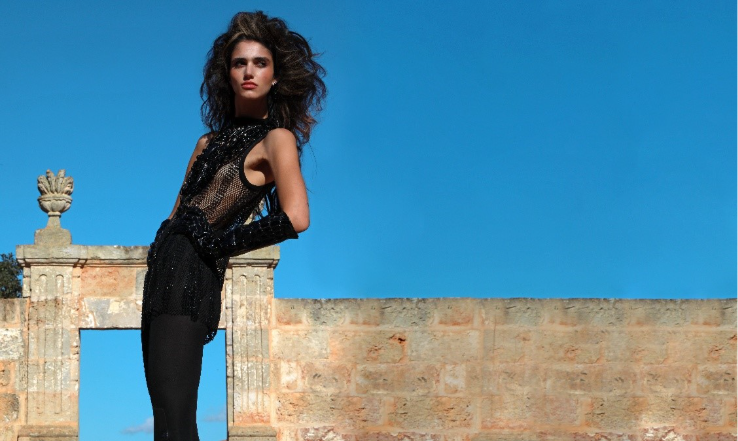
When these elements are combined with sensitivity, the garment ceases to be an external object and becomes a natural extension of the body.
Elegance is born from comfort
There is a deeply rooted idea in the history of fashion: true elegance is always linked to comfort. Coco Chanel She was one of the first designers to insist on this relationship, arguing that freedom of movement was an indispensable condition for sophistication.
Therefore, the comfortable and exclusive garments They are not only perceived as luxurious because of their materials or their construction, but also because of the way they allow the body to be inhabited naturally.
A well-designed garment doesn't force the body to adapt to it. Quite the opposite happens: the design complements and enhances each woman's unique way of moving.
To inhabit the garment
When fashion reaches its peak, something almost imperceptible happens: the garment disappears as an object and becomes an attitude. The gesture becomes more confident, the posture more conscious, the movement more harmonious.
That moment when a woman feels that a garment truly belongs to her—when walking, sitting, or moving feels completely natural—is precisely where the fashion design It fulfills its deepest function.
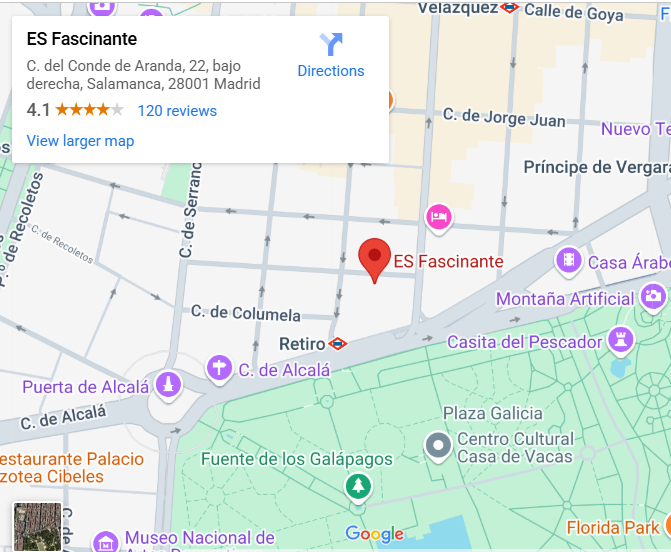
If you'd like to discover garments designed to complement your body with that same precision, you can explore our store or book an appointment at the atelier.