True modernity consists of remaining recognizable when everything around you is changing too fast.
There was a time when thefashion runwaysThey were born to present collections to buyers and journalists. They were almost private gatherings where the clothing mattered more than the spectacle and where design was championed through the closeness to the fabric, the movement, and the construction of the garment. Over the years, thefashion showsThey became global media phenomena. Images began to travel faster than ideas. The pace of the seasons accelerated the desire for novelty, and many collections became trapped in the need to produce an immediate impact.
However, some brands and designers have continued to use the runway in a different way. Not to dictate which color will dominate next winter or which silhouette will disappear in six months, but to propose a way of experiencing clothing. An attitude. A lasting presence. A deeper relationship between body, identity, and design.
That's where fashion stops being consumption and becomes a language.
At Malne We have always felt a deep admiration for those runways that remain in our memory decades later. These are collections that continue to resonate with current trends many years later because they were never born subservient to commercial pressures. They were conceived from a place of authorship, craftsmanship, and artistic conviction.
Anti-fashion as a starting point
There is a fascinating concept within the history of clothing: theanti-fashion. It does not signify a rejection of beauty or aesthetic indifference. Rather, it signifies independence from following trends.
Designers likeYohji YamamotoThey built an entire body of work around this idea. Their flowing, dark, architectural, and profoundly human garments never sought short-term appeal. They sought to accompany the body and give it freedom. Something similar happened withRei Kawakubo, whose vision questioned for decades the Western obsession with highlighting the female silhouette in an obvious way.
In both cases, the catwalks didn't function as seasonal showcases. They functioned as manifestos.
It is also revealing to observe how historical figures such asCoco ChanelThey understood luxury through simplicity and comfort long before those concepts dominated contemporary discourse. Their famously refined aesthetic stemmed precisely from distancing themselves from the excessive ornamentation of their time.
The true influence of these creators lies not only in the garments they designed, but in the way they transformed the relationship between women and their wardrobe.
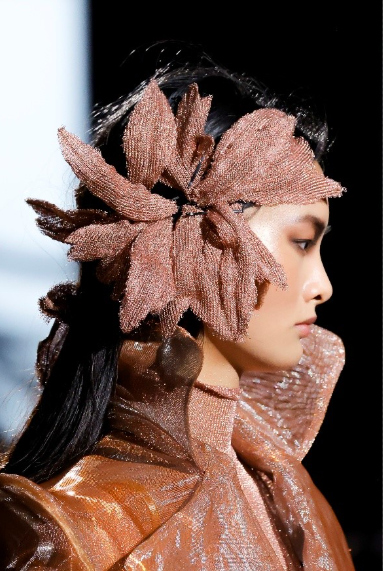
When the catwalk ceases to be a stage
Some of the great moments of theinternational fashionThey occurred when designers decided to break down the gap between industry and real life.
Martin Margielarevolutionized the perception of thefashion eventstaking his shows to abandoned train stations, suburban streets, and neighborhood parks. His legendary Spring/Summer 1990 show in a Parisian suburb remains one of the most moving moments in recent fashion history. Neighborhood children ran among the models, the audience mingled with the scene, and the clothes ceased to seem like distant objects.
That changed something important: fashion felt human again.
Today we continue to see echoes of that vision in creators such asRick Owens, whose aesthetic has almost built its own cultural community. Their runway shows project a recognizable identity that then continues onto the street. These aren't collections designed to sell out on social media in a week. They are visual codes that end up becoming a way of inhabiting the world.
And perhaps that is the essential difference between a trend and a way of dressing.
Trends need constant renewal to survive. Style creates continuity.
Dresses that still belong to the present
Few things are as fascinating as observing garments created decades ago that continue to look current.
The “Delphos” dress byMariano Fortuny, Designed in 1907, it still possesses an extraordinary modernity. Its fluid sloping shape, lack of rigidity, and the intelligence of its construction allow it to still appear contemporary today.
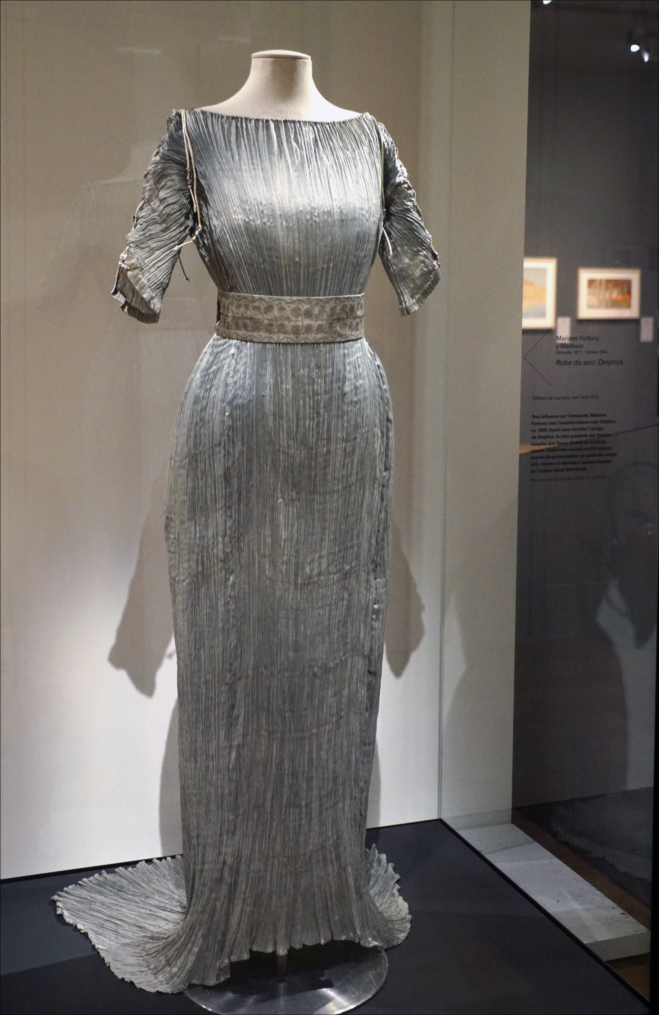
Something similar happens with the universe ofIssey Miyakeand its famous pleats. The “Pleats Please” collection made movement an essential part of the garment. Clothes stopped imposing themselves on the body and started accompanying it.
These examples reveal something important: The great proposals in the history of fashion rarely arise from pursuing a specific trend.. They are born from understanding how a person wants to live inside a garment.
And that question remains much more interesting than wondering what will be fashionable next year.
What the major fashion shows should continue to champion
The great fashion capitals —Madrid, Paris, Milan, LondoneitherNew York— they continue to be fundamental centers for global creative conversation. Fashion weeks maintain an enormous capacity to generate cultural dialogue and project new sensibilities.
But perhaps the real contemporary challenge is not to produce more visual impact, but to recover some depth.
Catwalks can still be spaces for:
- Defending craftsmanship and trade
- To propose a more conscious relationship with clothing
- Explore new forms of femininity and elegance
- To create garments with a long-lasting character
- Reclaiming design as a cultural expression
When a collection manages to convey all of that, it ceases to belong solely to one season. It endures.
The luxury of recognizing oneself in a garment
For years, global luxury relied on the mass repetition of recognizable symbols. But many women began to seek a different experience: one a more intimate, more personal, and more emotional relationship with fashion.
That's where craftsmanship, direct attention, and authorship regain their meaning.
At our atelier We've always believed that dressing well has a lot to do with recognizing yourself in the garment, not just wearing a visible brand. Clothing takes on another dimension when there's a genuine conversation behind the design, when the pattern adapts to the body, and when the creative process is part of the experience.
That's why some fashion shows continue to move us decades later. Because they weren't just about fashion. They were about identity, sensitivity, and enduring legacy.
And perhaps that remains the most beautiful function a fashion show can have: to anticipate a way of dressing that still makes sense many years later.