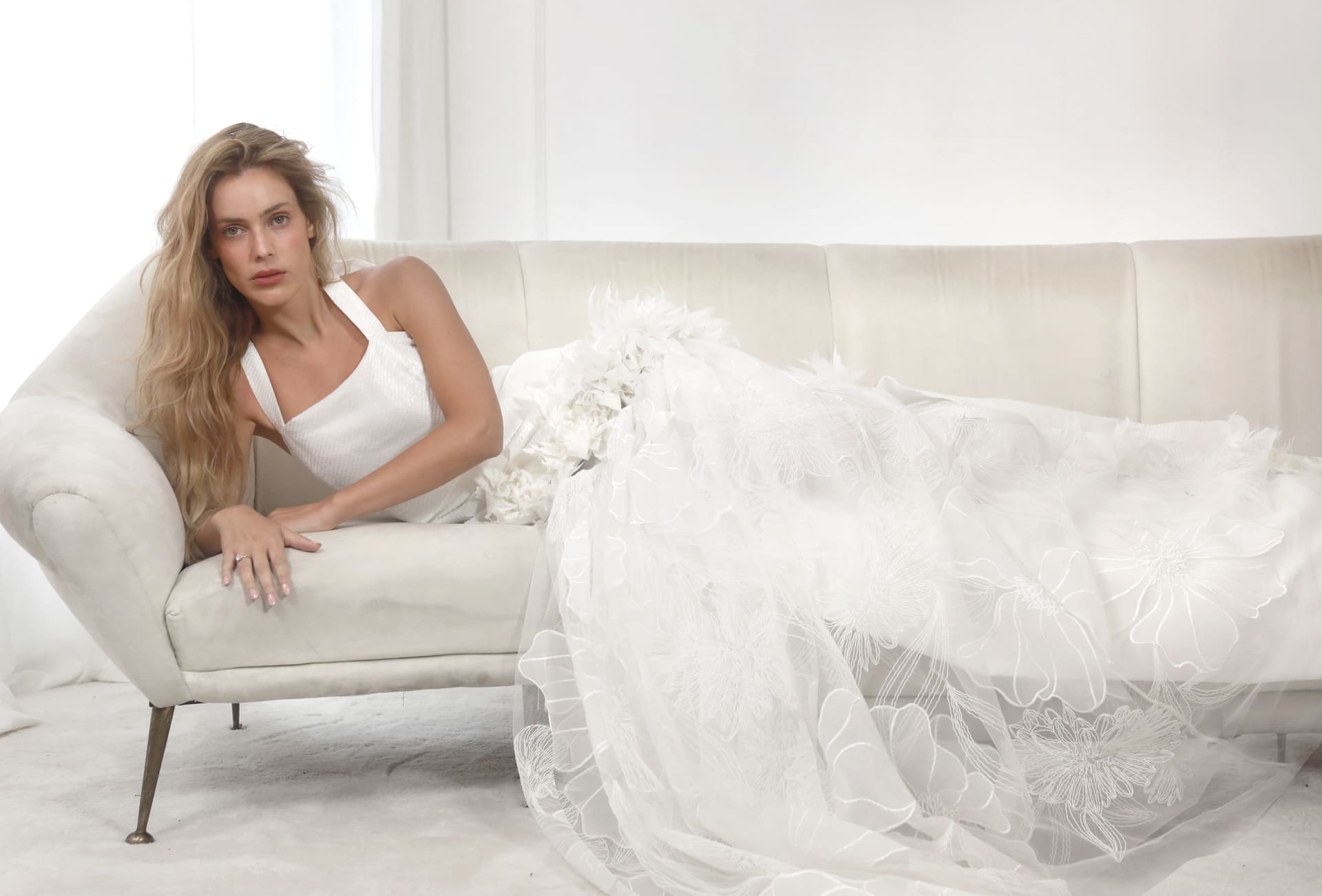
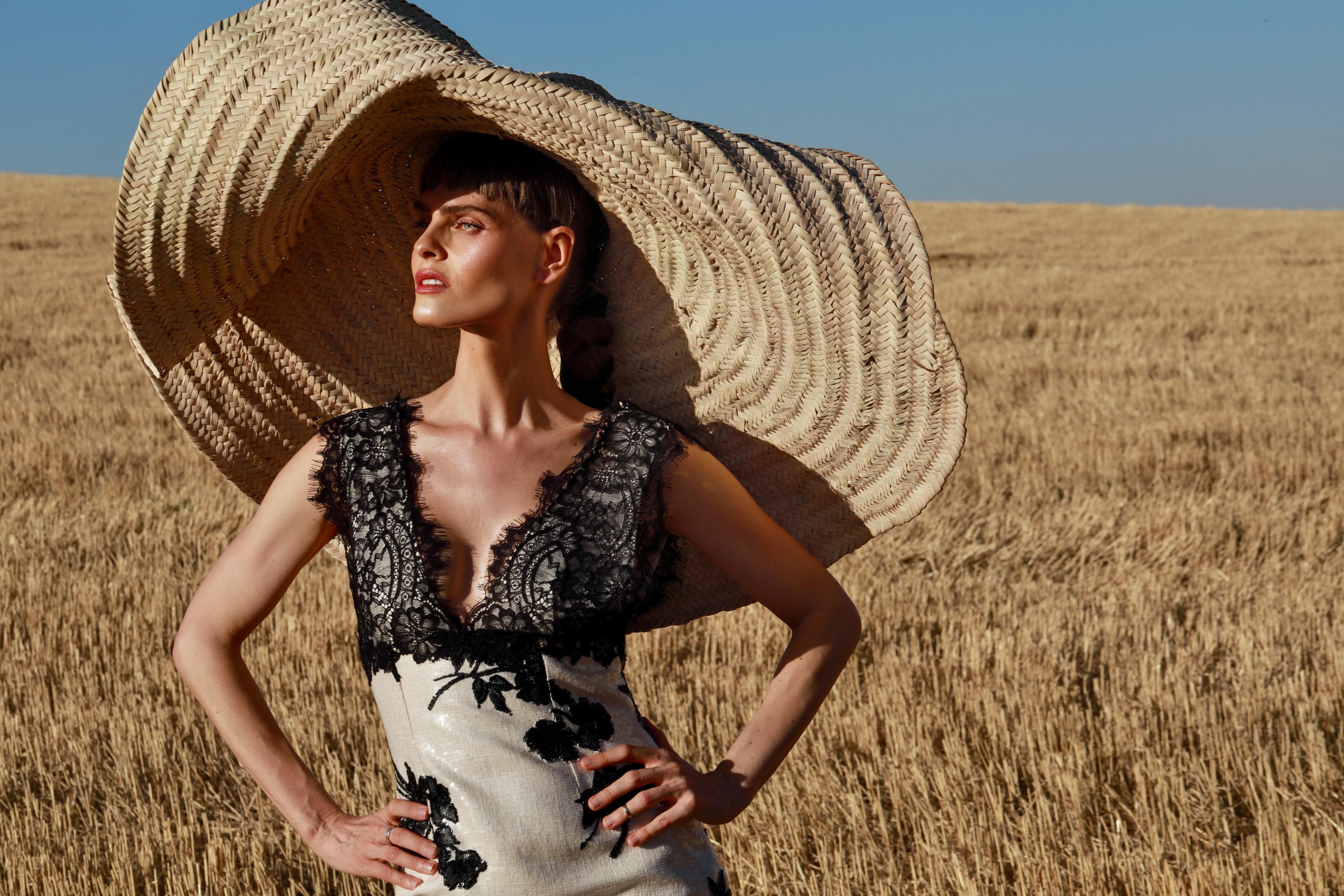
In recent years, fashion has accelerated its pulse to unsuspected limits. Clothes that last for weeks in shop windows, trends that are sold out before we can experience them. In the face of this vertigo, a different philosophy was born, a trend that we have embraced since the beginning of our maison: the Slow Fashion o slow fashion.
To speak of this movement is to speak of a way of understanding clothing that respects the times, that gives prominence to craftsmanship and that values the essential. For those who wonder what is slow fashionThe answer is both simple and profound: it is the conscious choice of quality over quantity, of memory over transience.
The origin of a movement
The term was coined in 2007 by the researcher Kate Fletcherinspired by the philosophy of Slow Food. His message was clear: in fashion it was also necessary to slow down. That reflection became a beacon for designers, artisans and consumers who were looking for a different relationship with clothes. After the Bangladesh tragedy in 2013When a textile building collapsed leaving more than a thousand people dead, the movement gained momentum and established itself as an ethical and sustainable alternative.
The principles that define Slow Fashion
In our atelier we understand that slow fashion is not a trend, but a commitment. Its pillars are clear and mark a path that today many of us follow. slow fashion brands in the world:
- Quality over quantitycreating durable, timeless and meaningful garments.
- Ethical and local productionThe EU's economic development policy, which ensures decent conditions for workers and supports nearby economies, is a key element of the EU's economic growth.
- Timeless designcapable of accompanying you for years and transcending passing seasons.
- Sustainable materials and traceabilityfrom organic cottons to certified linen or wool, always with transparency in their origin.
- Zero wasteThe aim is to find patterns and processes that minimise the impact on the planet.
The impact of Slow Fashion

The impact of slow fashion is measured both socially and environmentally. Faced with an industry that is the second most polluting on the planet, this approach seeks to reduce the consumption of water, energy and chemicals, as well as promoting fair working conditions.
The difference is tangible: while fast fashion produces disposable garments with an average life of seven wears, slow fashion creates pieces that stay with you for years, often becoming an emotional heirloom.
How to apply slow fashion in everyday life
Those who ask us how to apply slow fashion in their daily lives, they discover that it is not a matter of grandiose gestures, but rather of simple and consistent decisions:
- Buy less, but choose better.
- Repairing, personalising and extending the life of garments.
- Second-hand, made-to-measure and vintage as treasures with history.
- Support local workshops and designers, who keep the craft alive and generate proximity.
- Know the origin of fabrics and opt for natural or recycled materials.
Every action, however small it may seem, adds up to a global change in our relationship with clothes.
Sustainable fashion initiatives
The growth of the movement has spurred multiple sustainable fashion initiatives all over the world. From textile cooperatives that guarantee fair wages to digital platforms that promote the rental of garments or creative reuse.
In SpainMore and more ateliers and designers are embracing this path, demonstrating that it is possible to create from beauty without compromising the future of the planet.
A necessary alternative
The Slow Fashion is not a luxury reserved for the few. It is a cultural and ethical gesture, a way of remembering that what we wear speaks of us and our relationship with the world. Its strength lies in its balance: quality, awareness and creativity.
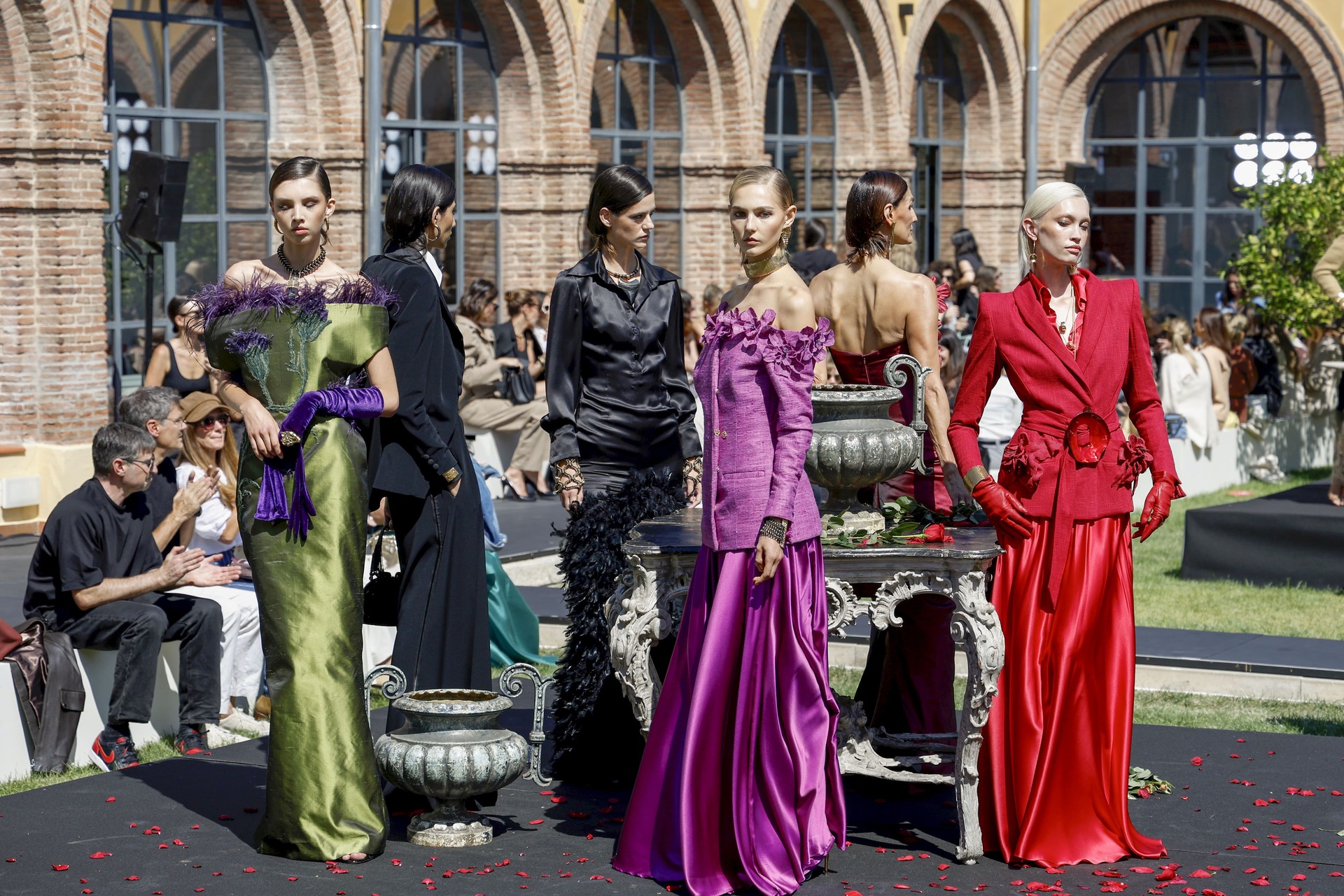
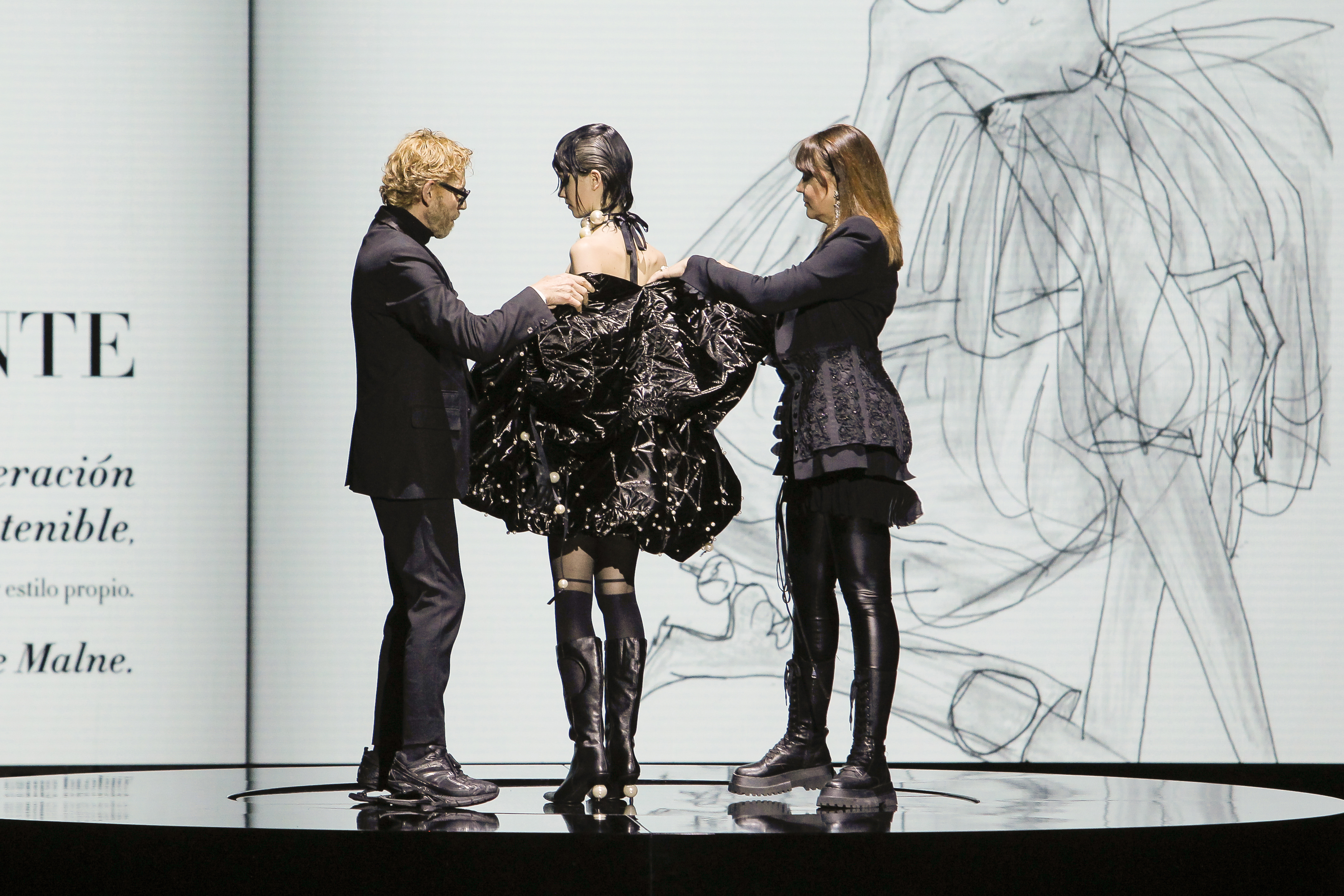
At Malne, we conceive each piece under this philosophy. We do not look for the immediate, but for what remains. At our atelierslow fashion becomes a language: a way of being, of choosing and celebrating beauty without waste.